
• ABOUT US
    • THE EUROPEAN FEDERATION
    • MEMBERS
    • PARTNERS
    • CONTACT
  • HISTORY
    • THE PATHS OF SAINT JAMES IN EUROPE
    • EUROPEAN CULTURAL ITINERARY
  • ITINERARIES
    • UKRAINE
    • LITHUANIA
    • POLAND
    • NETHERLANDS
    • BELGIUM
    • FRANCE
    • CROATIA
    • ITALY
    • PORTUGAL
    • SPAIN
  • TOOLS
    • INTERACTIVE MAP
    • 360º VIRTUAL TOURS
    • AUDIOGUIDES
  • PROJECTS
    • LOCI IACOBI 1
    • LOCI IACOBI 2
    • CREATIVE LOCI IACOBI
  • NEWS
  • EVENTS
    • ESPAÑOL
    • FRANÇAIS
  • ABOUT US
    • THE EUROPEAN FEDERATION
    • MEMBERS
    • PARTNERS
    • CONTACT
  • HISTORY
    • THE PATHS OF SAINT JAMES IN EUROPE
    • EUROPEAN CULTURAL ITINERARY
  • ITINERARIES
    • UKRAINE
    • LITHUANIA
    • POLAND
    • NETHERLANDS
    • BELGIUM
    • FRANCE
    • CROATIA
    • ITALY
    • PORTUGAL
    • SPAIN
  • TOOLS
    • INTERACTIVE MAP
    • 360º VIRTUAL TOURS
    • AUDIOGUIDES
  • PROJECTS
    • LOCI IACOBI 1
    • LOCI IACOBI 2
    • CREATIVE LOCI IACOBI
  • NEWS
  • EVENTS
    • ESPAÑOL
    • FRANÇAIS
April 25, 2026 /  Members
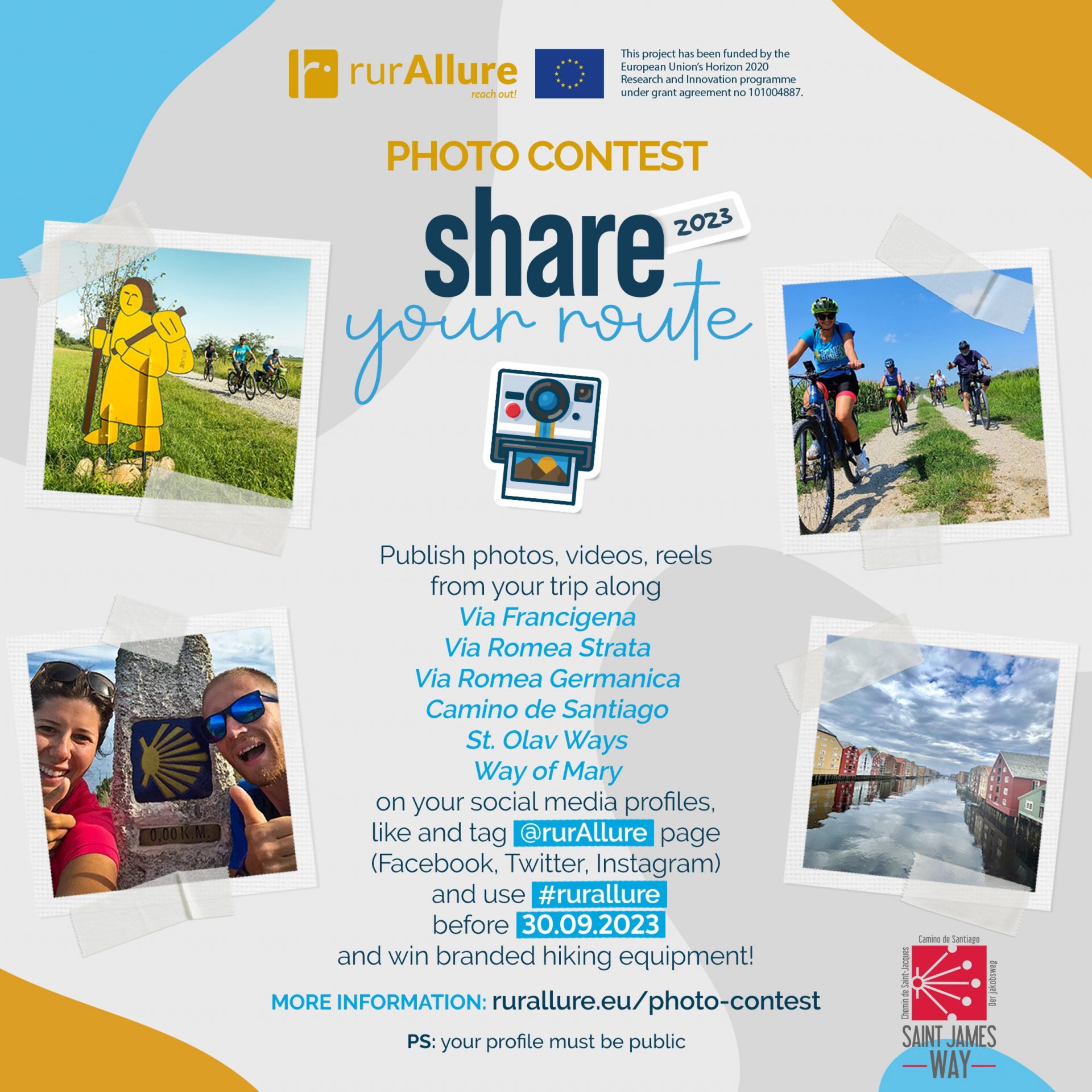
Photo Contest: “Share your route 2023”


The European photo contest “Share your route 2023” starts on 1 June with a duration of four months and the announcement of winner on 16 October. The contest offers an opportunity to share on the road experience and adventures to all walkers and cyclists travelling along the following European cultural routes and historic itineraries: the Way of Saint James (Camino de Santiago), Via Francigena, Via Romea Strata, Via Romea Germanica, St. Olav Ways and the Ways to Csíksomlyó (the Way of Holy Mary).  

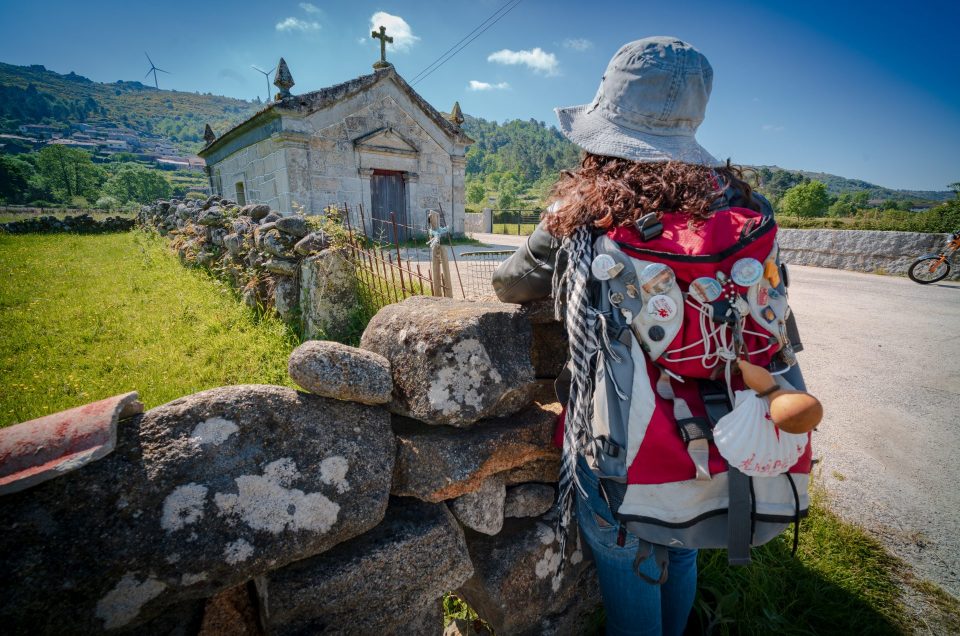
The initiative raises awareness on slow travel and sustainable tourism with a special focus on discovery of rural areas, cultural heritage and traditions. Organized by the European project rurAllure and the European Association of the Via Francigena ways (in charge of the project communication), it transmits the European values of intercultural dialogue, contributes to sustainable development goals and environmental sensibility.  

The 2022 edition of the contest registered over 3.000 photos published by social media users from all over the world, generated over 70 publications and articles on national and international resources, posts in social media and materials in 10 languages. 

To participate in the contest, one needs to publish a post or a reel about the above-mentioned routes on Instagram, Facebook or Twitter featuring travel experiences, cultural heritage or eno-gastronomy, tagging location, liking and tagging @rurAllure page (Facebook, Twitter, Instagram) and #rurallure. 

The European project rurAllure (Horizon 2020 programme) unites European routes, promoting cultural heritage in their vicinity, with particular attention to rural areas. Its goal is to create a network of public and private stakeholders from all over Europe so that pilgrims can get to know the territories they cross, discovering their cultural and natural sites.

More information: www.rurallure.eu 

Winners 2022 (from right to left): @nappatravels_, @wipstorieincammino, @Irenkleivenkunst.

April 25, 2026 /  Members
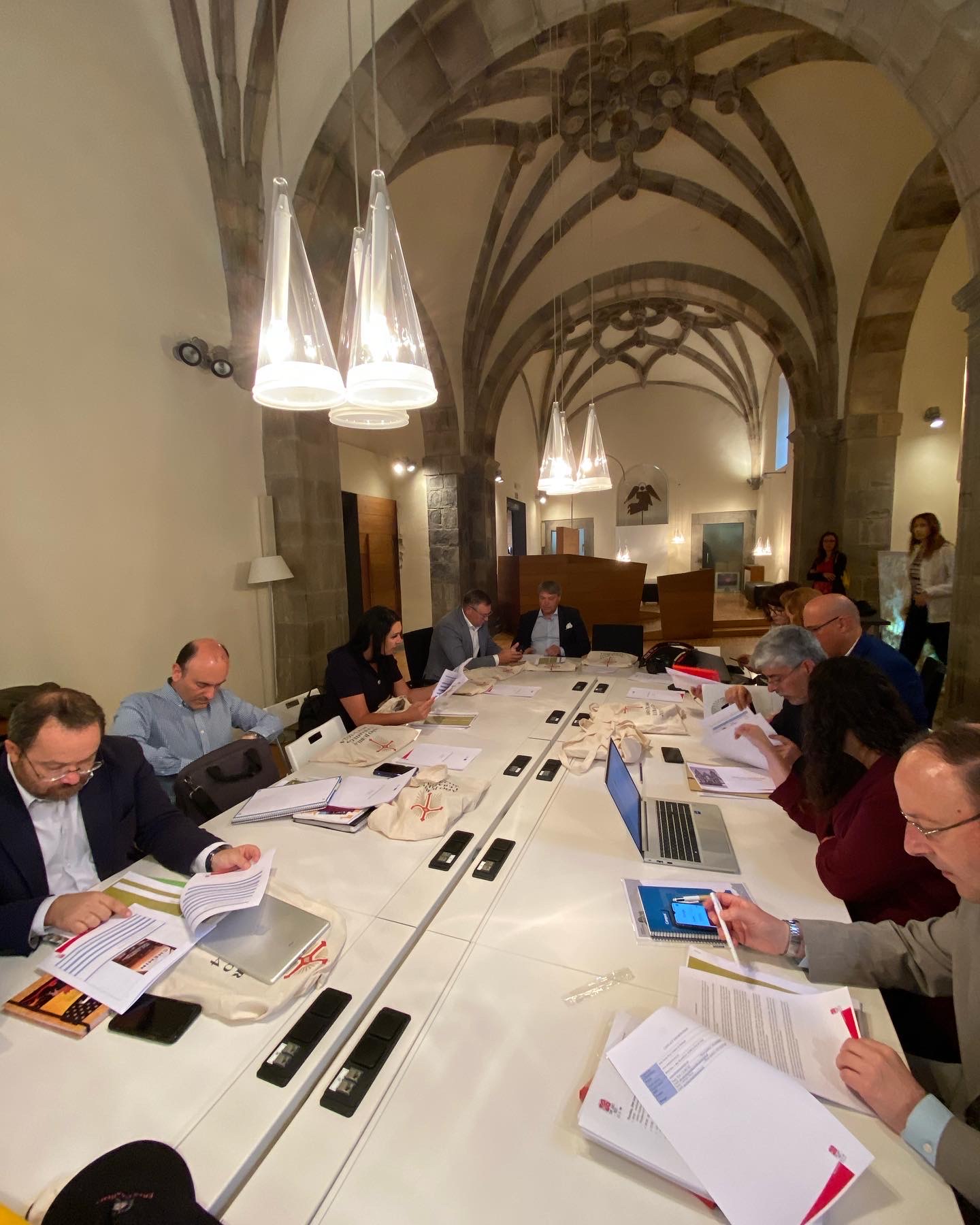
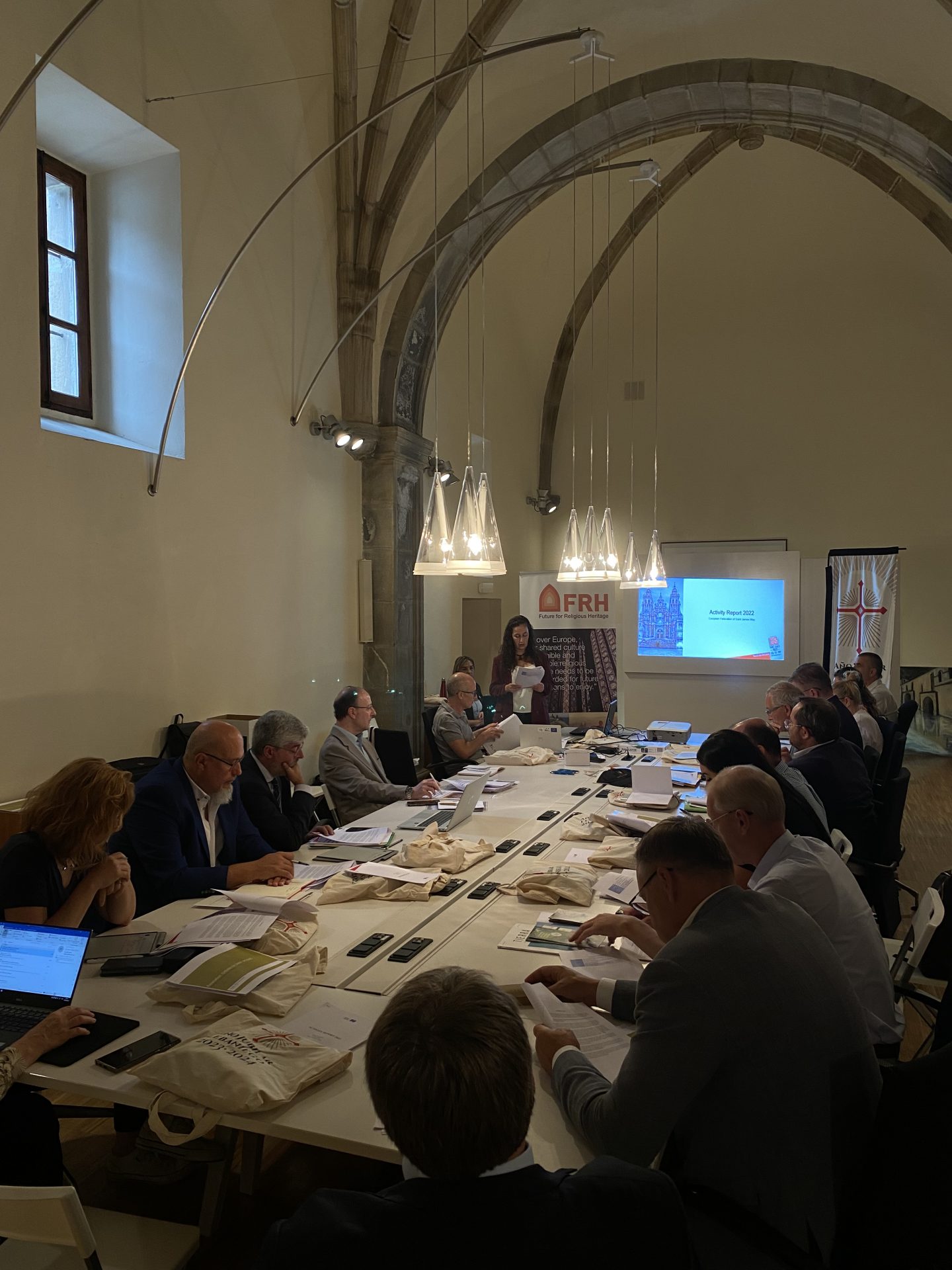
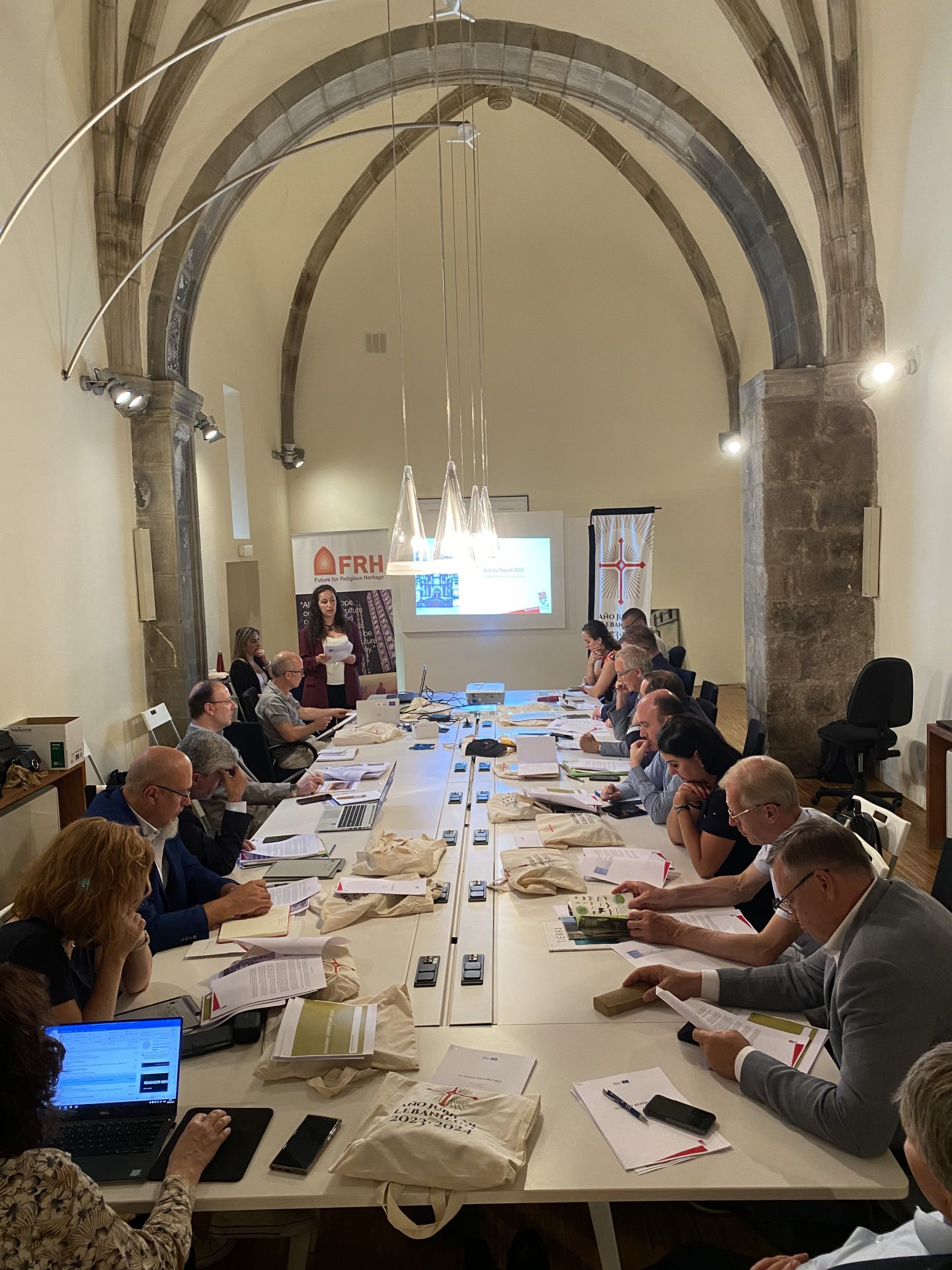
The European Federation of Saint James Way holds its General Assembly in Cantabria (Spain)


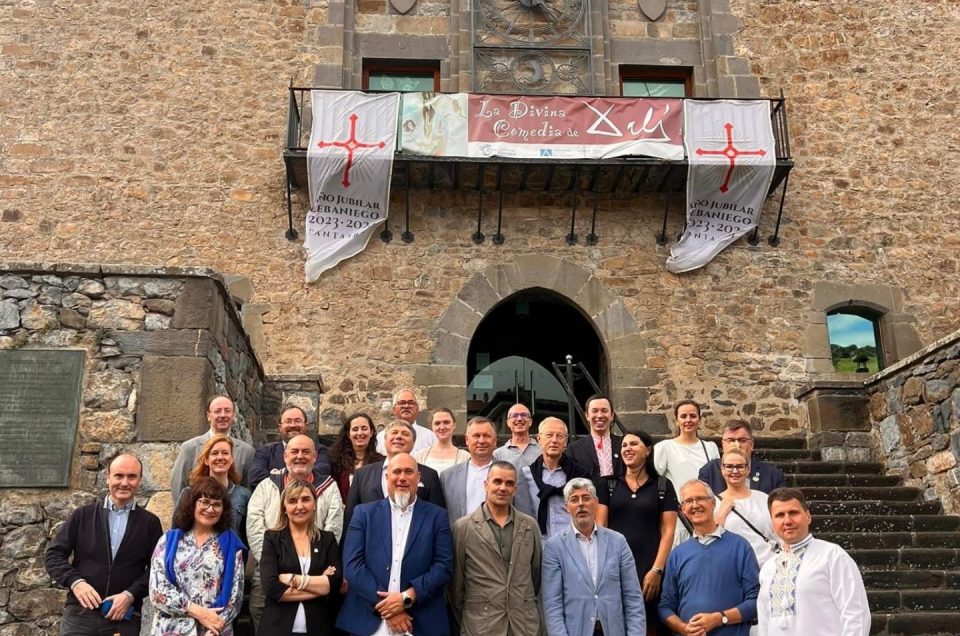
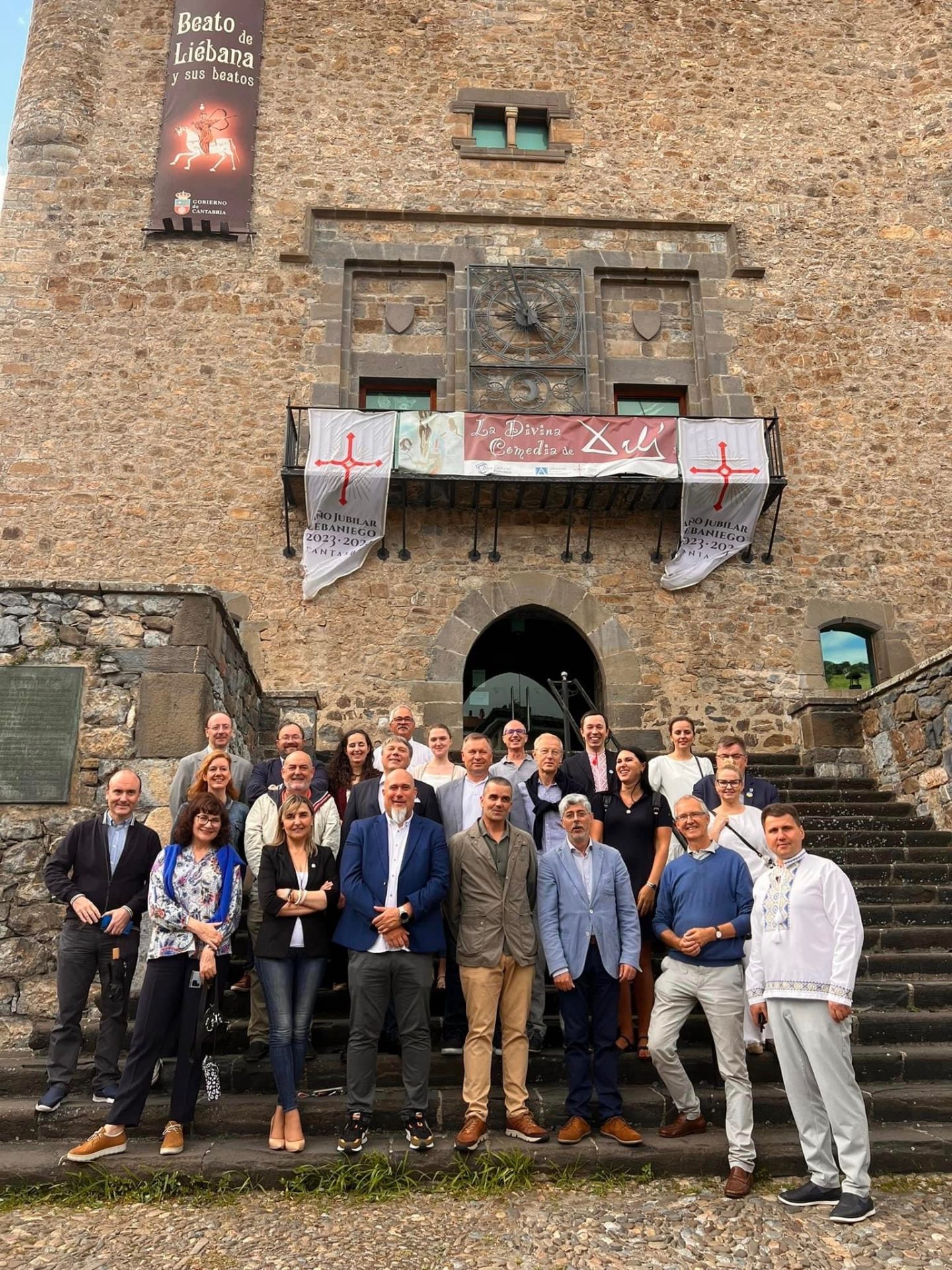
The Cantabrian town of Potes hosted, on 29 and 30 June, the General Assembly of the European Federation of Saint James Way which, coinciding with the Lebaniego Jubilee Year 2023-2024, was hosted by the Fundación Camino Lebaniego.

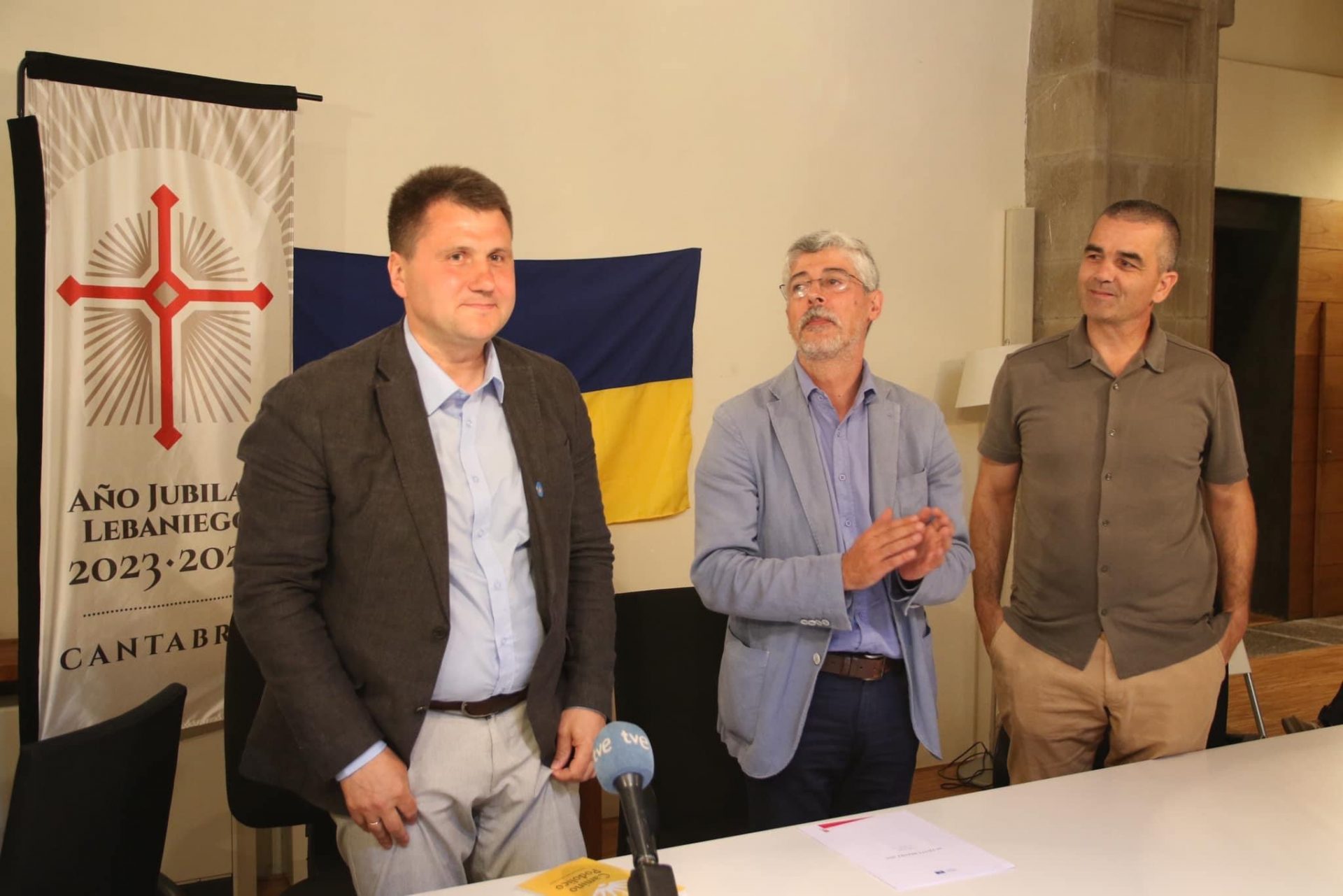
With more than 23 representatives of the partner territories; Galicia, Asturias and Cantabria (Spain), Portugal, Poland, Lithuania, Belgium, France, the Netherlands and Ukraine, the assembly unanimously approved the accession of Ukraine as a new member, under exceptional conditions of exemption from the payment of its membership fee, due to the war context.
The Assembly also discussed the need for enlargement, agreeing to review its statutes and revise the accession requirements, in order to make it a more open body that can grow and represent different actors. The next Assembly, to be held before the end of the year, will be responsible for approving its revision, if necessary.
The Assembly was attended by the Director of the Fundación Camino Lebaniego, Manuel Bahíllo; the Mayor of Potes Town Council, Francisco Javier Gómez; the President of the European Federation of Saint James Way, Ildefonso de la Campa; the Tourism Director of the Xunta de Galicia and the Director of the Centro de Estudios Lebaniegos and President of Future for Religious Heritage (FRH), Pilar Gómez Bahamonde.

A cultural and cooperative agenda of European cultural itineraries

One of the proposals and roadmaps set out in the assembly of the European Federation of the Saint James Way was the creation of a network of international partnerships between public administrations and civil society associations, especially pilgrims’ associations.

In the framework of the Assembly, the forthcoming signing of the Memorandum of Understanding with the Via Francigena was also announced, aiming at collaboration with other classified routes, as recommended by the Council of Europe itself in the framework of certification.

This cooperation between routes should encourage the exchange of good practices, such as the promotion of local craft and gastronomic products, joint international promotion programmes for both routes and the incorporation of new technologies aimed at young people, among others.

The Federation is responsible for being the driving force behind interregional projects in Europe that promote the protection, development and promotion of the Way of St. James, from the administrations.

Another of the topics discussed at the Assembly was the process of renewal of the certification of the Way of St. James as a European Cultural Itinerary in 2023. Common activities dedicated to the promotion of pilgrimages to Santiago de Compostela and the tourist development of the routes were also discussed, with the aim of channelling own and external investments for its implementation in the period 2023-2025.

The Federation will hold its next General Assembly in September 2023 in the Polish city of Torun, which hosts the event after, during 2021-2022, years whose presidency was held by the region of Kujawsko-Pomorskie, the conditions were not given to hold the Assembly in Poland, first because of the pandemic context and then war.

In addition to its internal decision-making, the Assembly had the opportunity to address the issue of hospitality and the organisation of the network of hostels for pilgrims, with the presence of the Coordinator of the Associations of the Camino del Norte and the hotelier and priest Ernesto Bustio, providing examples from Cantabria, and the presentation of good practices by the Xunta de Galicia, Asturias and the Portuguese Federation of the Camino De Santiago.

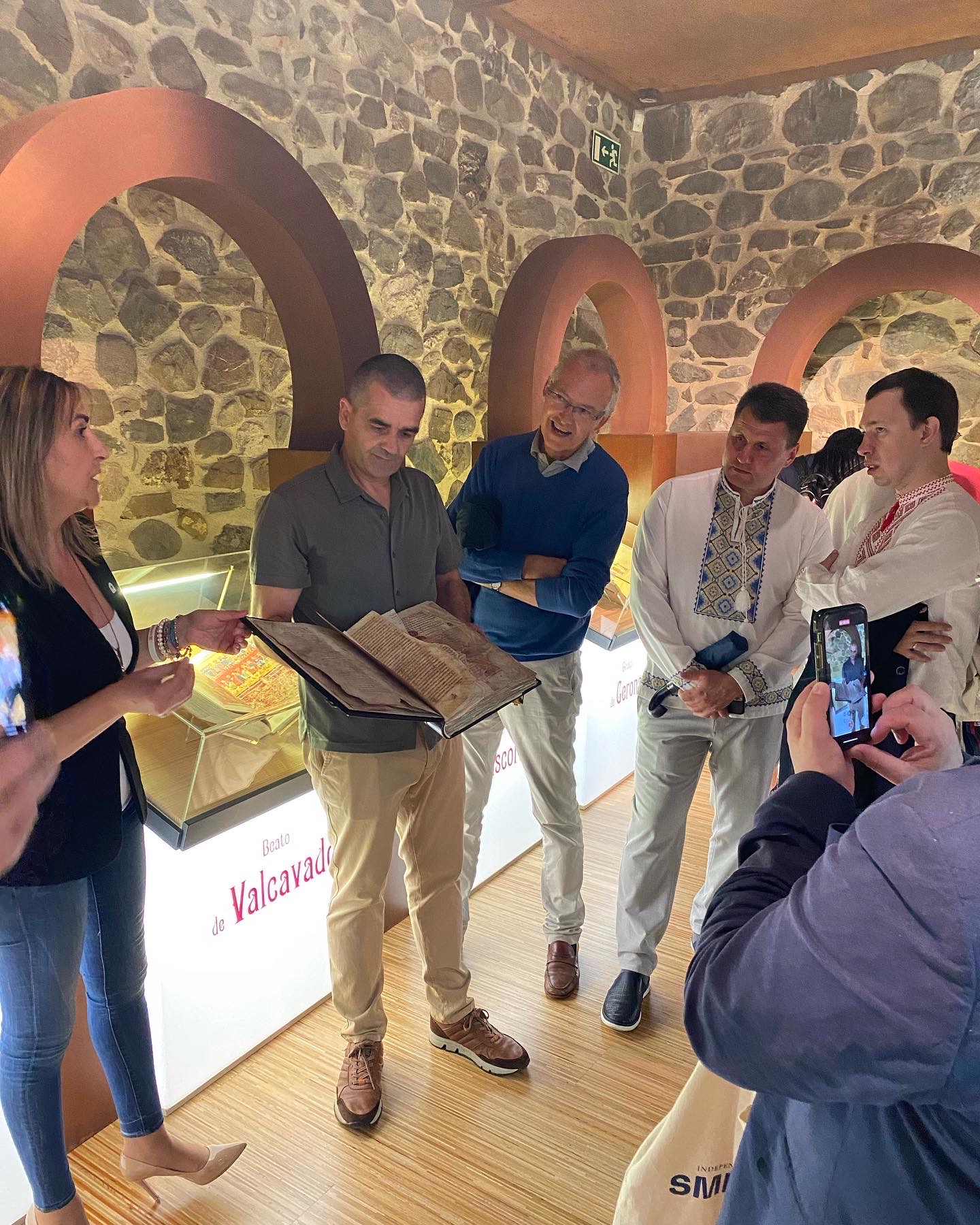
During the meeting, the participants were able to get to know places of relevant importance in the Camino De Santiago and religious tourism, among which the Torre del Infantado and the Monastery of Santo Toribio stand out.


April 25, 2026 /  Interviews  /  Members
Agne-Henrik Strid, creator of the Camino_Stories project: The Camino was not just a trail but a moving tableau of life itself


What encourages us to undertake a pilgrimage to Santiago, what feelings inspire us, what is our motivation to take the first step. These are some of the questions that arise in our minds when we face the experience of doing the Camino de Santiago.

Agne-Henrik Strid is one of those pilgrims whose life has been changed by the Camino. Today he leads the project Camino_Stories, a wonderful commitment to life and human wisdom transmitted by people who have shared their different experiences around the Camino.

We open this space on our website to offer you all this rich experience so personal, so human, so positive. We hope that, like us, it enriches you and brings you the values that traditionally, today and in the future, the Camino de Santiago has had, has and will have for humanity.

Share Camino_Stories:

FB @sharingcaminostories, IG @camino_stories

First, tell us a little about yourself: where do you come from, what do you do, how did you get to know the Camino?

My name is Agne-Henrik Strid, and I call the Netherlands home. Here, I share my life with my wife and our two wonderful kids. Professionally, I tread the commercial path of copywriting. In my spare time, I often take long walks and lose myself in the beauty of nature, each step a renewed connection with myself.

My affair with the Camino de Santiago began during a semester in Bilbao in 2005. An unforgettable one-day stretch of the camino with fellow students left an indelible mark on my spirit. That day, amidst the picturesque landscapes of the Basque region, I vowed to walk the Camino in its entirety one day. Now, as a seasoned Camino veteran, I find immense joy in encapsulating the inspiring anecdotes of fellow pilgrims into words, creating a mosaic of shared human experience.

READ THE FULL INTERVIEW

Tell us about your Camino experience – which way(s) have you done and when. What inspired you to undertake the way? Do you prefer hiking alone or in company? What’s your main motivation for walking the Camino?

My experiences with the Camino have spanned two routes: the Camino Frances and the Camino del Norte. The desire to undertake these pilgrimages stemmed from a period of introspection and unease. At that time, I was working for the United Nations in Colombia, a role that increasingly didn’t resonate with my inner compass. I knew what I didn’t want, but I struggled to discern what I truly desired. The Camino called to me as a sanctuary, a space where I could wander and wonder and hopefully find the answers I sought.

Initially, I intended to walk alone, using solitude as a canvas for introspection. But the Camino, in its mysterious ways, had different plans. I met an incredible score of individuals along the way – each with their own stories, wisdom, and spirit. These lovely and inspiring souls became unexpected companions on my journey, adding richer hues to my Camino experience.

So my primary motivation for walking the Camino became more than a search for personal answers. It became a journey of connection – with myself and others along these ancient paths. The Camino provided an opportunity to step outside my familiar patterns, look at the world with fresh eyes, and return with a renewed perspective, not only about my career but also about my place in life.

What inspired you to start your project? What message would you like to transmit to people?

The genesis of my Camino_Stories project lies in the individuals I encountered along my Camino journeys. The Camino was not just a trail but a moving tableau of life itself, with people from diverse backgrounds, each carrying their unique experiences, wisdom, and stories. Among them were the wise, the amusing, the exasperating, and the eccentric, each weaving their own thread into the fabric of the Camino.

What struck me was how these fellow pilgrims also served as mirrors, reflecting facets of myself. I realized that each interaction, shared laugh, and irritation, was also a lesson about myself.
This transformative experience inspired me to capture these tales, to provide a platform where others could also glean wisdom, laughter, and perhaps even self-recognition from these Camino stories.

The message I aspire to transmit is one of openness and joy. I encourage everyone to approach the Camino, and indeed life, with an open mind. The Camino provides what you need, often in the most unexpected ways. So, relinquish expectations and let the journey unfold. But amidst these profound experiences, don’t forget the simple joy of being there, in the moment, beneath the open skies, and in the company of fellow travelers on the path of life. Enjoy every step. Enjoy every breath. Enjoy the Camino.

Do you have a story or a person who moved you most of others? Can you share it with us?

Among the many pilgrims, I crossed paths with on the Camino, one individual stands out — an Anglican priest from Oxford. Our paths intertwined for a few days, long enough for me to learn his intriguing tale. He had once been an oil driller for British Petroleum, his work spanning across the globe. Yet, amidst the mechanics and materialism, he felt a profound longing for a deeper connection with people, to be a beacon of support and guidance.

When his church approached him with the proposition of priesthood, he didn’t hesitate. He chose a path diverging starkly from his previous profession, a path of service and spiritual connection. Despite the significant shift, his conviction was unwavering.

Although I’m not religious myself, his journey resonated deeply with me. His courage and resolution to embrace such a drastic change, to follow a calling resonating with his heart, became a beacon for me. Inspired by his daring leap of faith, I made my own. I stepped away from my well-paying job, a role that no longer fulfilled me, and turned to a path that had long called to me: writing.

His story served as a reminder that it’s never too late to follow our dreams, to realign our lives with our authentic selves. It’s a story I carry with me, not just in memory but as a part of my own narrative, shaping the person and the writer I am today.

What would be your advice for people planning to walk the Camino for the first time?

For those planning to walk the Camino for the first time, here’s what I’d say: Prepare not just physically but emotionally too. Pack light, but carry a heart full of openness and curiosity. Expect challenges but also unexpected acts of kindness. The Camino isn’t just a path, it’s a microcosm of life. You will find parts of yourself you never knew existed, meet people who’ll leave an imprint on your soul, and behold vistas that will be etched in your heart forever. But most importantly, remember that the Camino is not just about reaching Santiago, it’s about every step, every breath, and every moment that leads you there. Buen Camino!

Agne-Henrik


April 25, 2026 /  Members
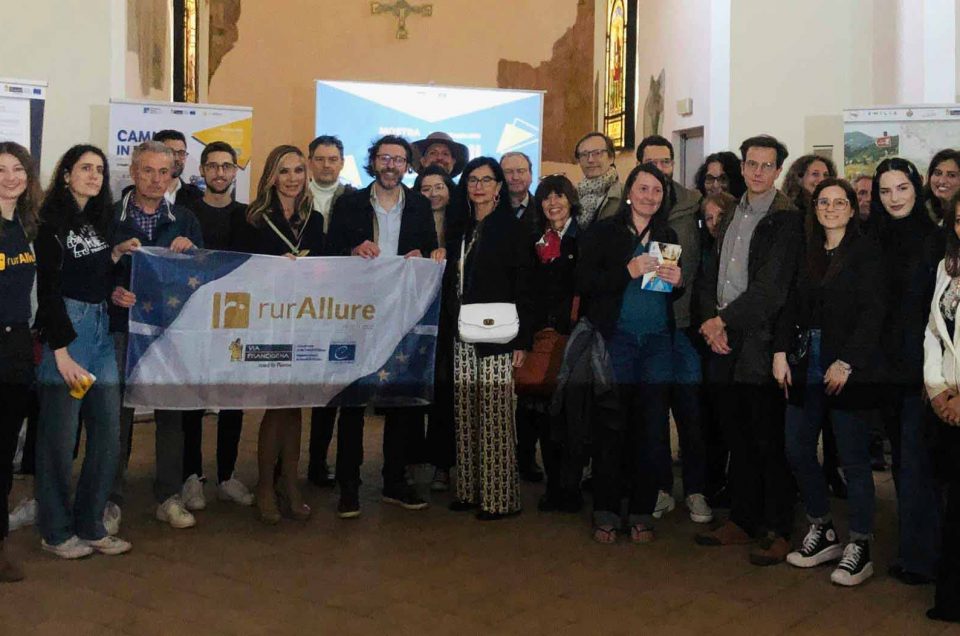
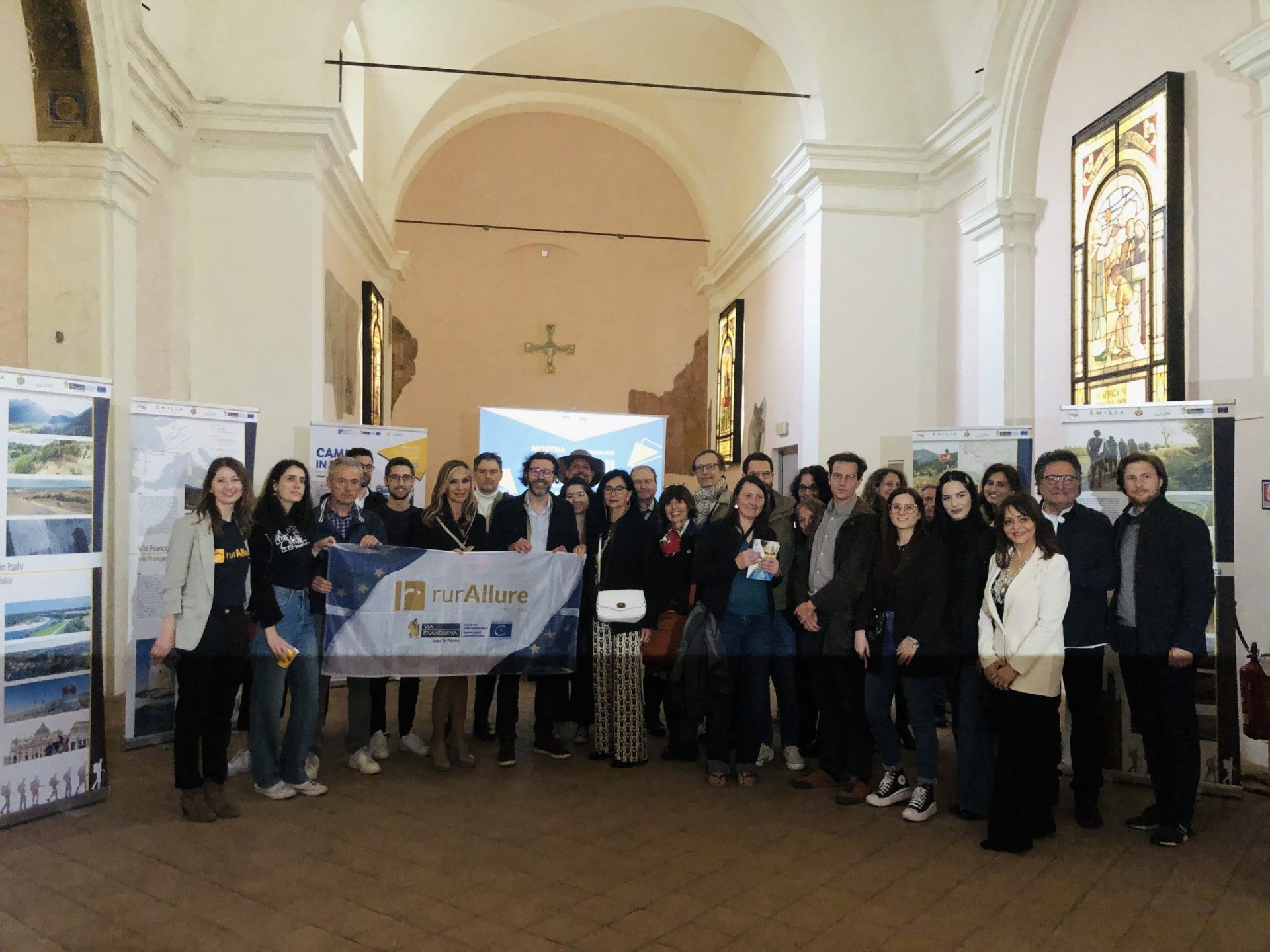
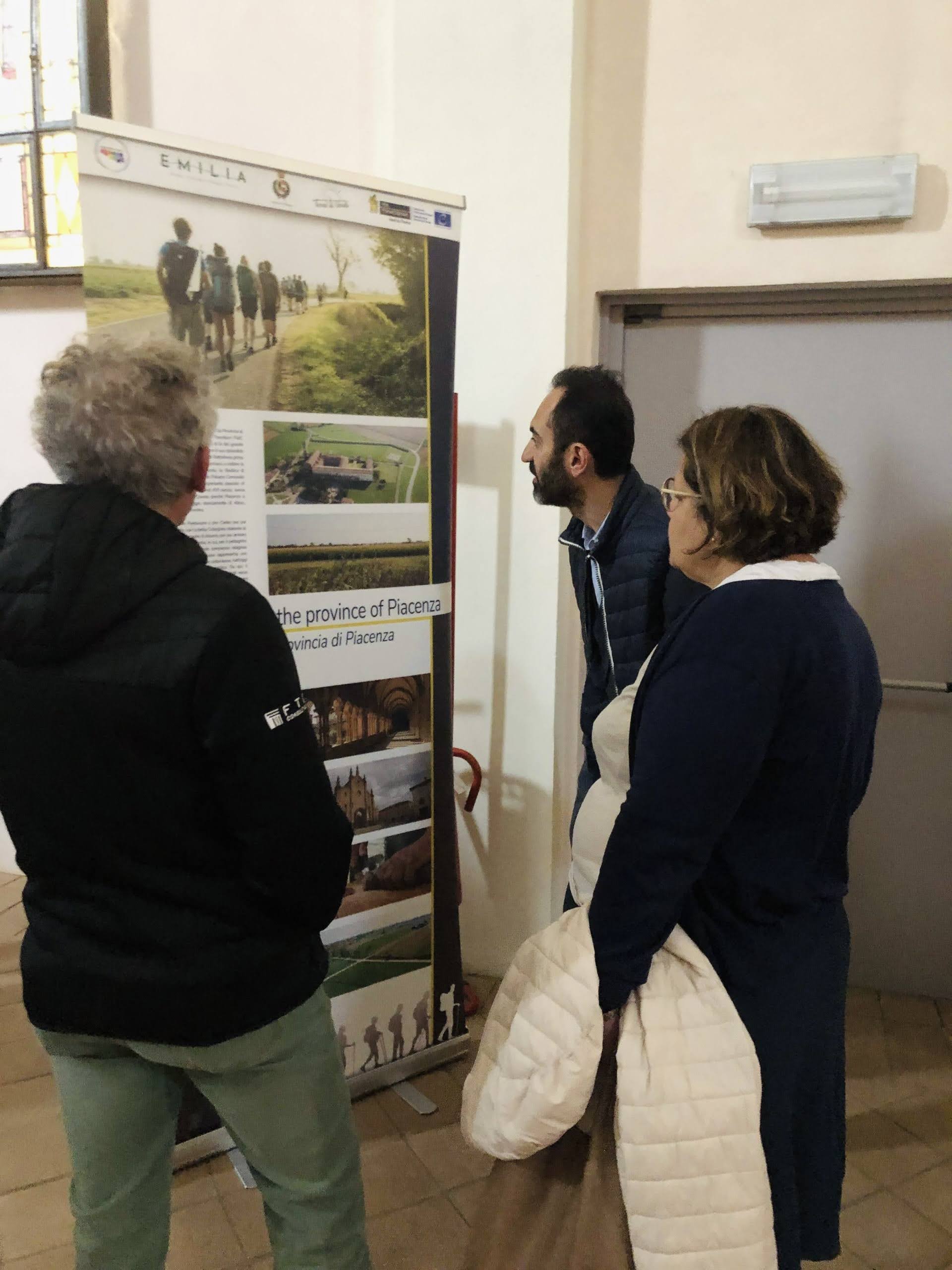
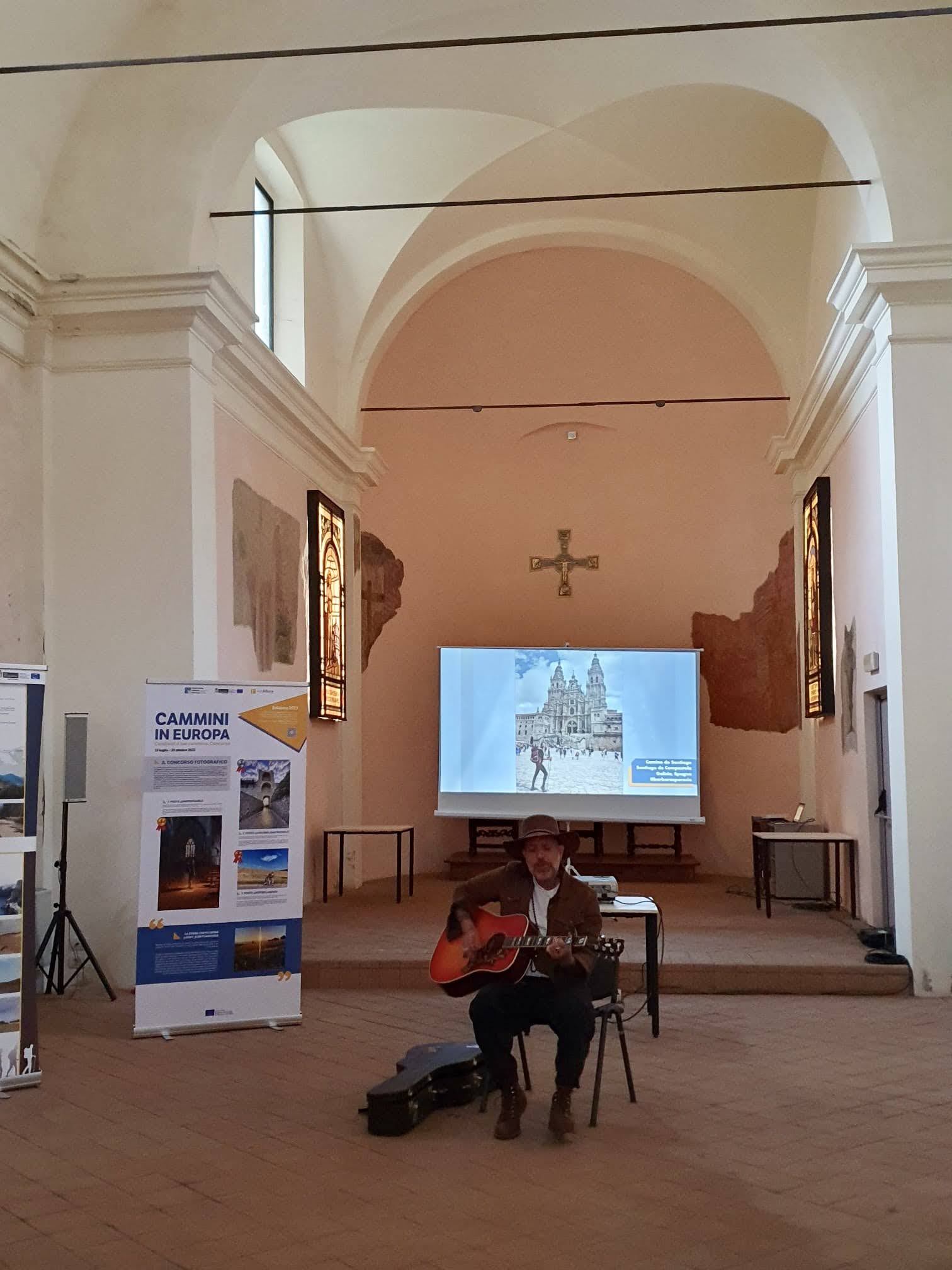
The European Federation of Saint James Way at the photo exhibition “Routes of Europe”


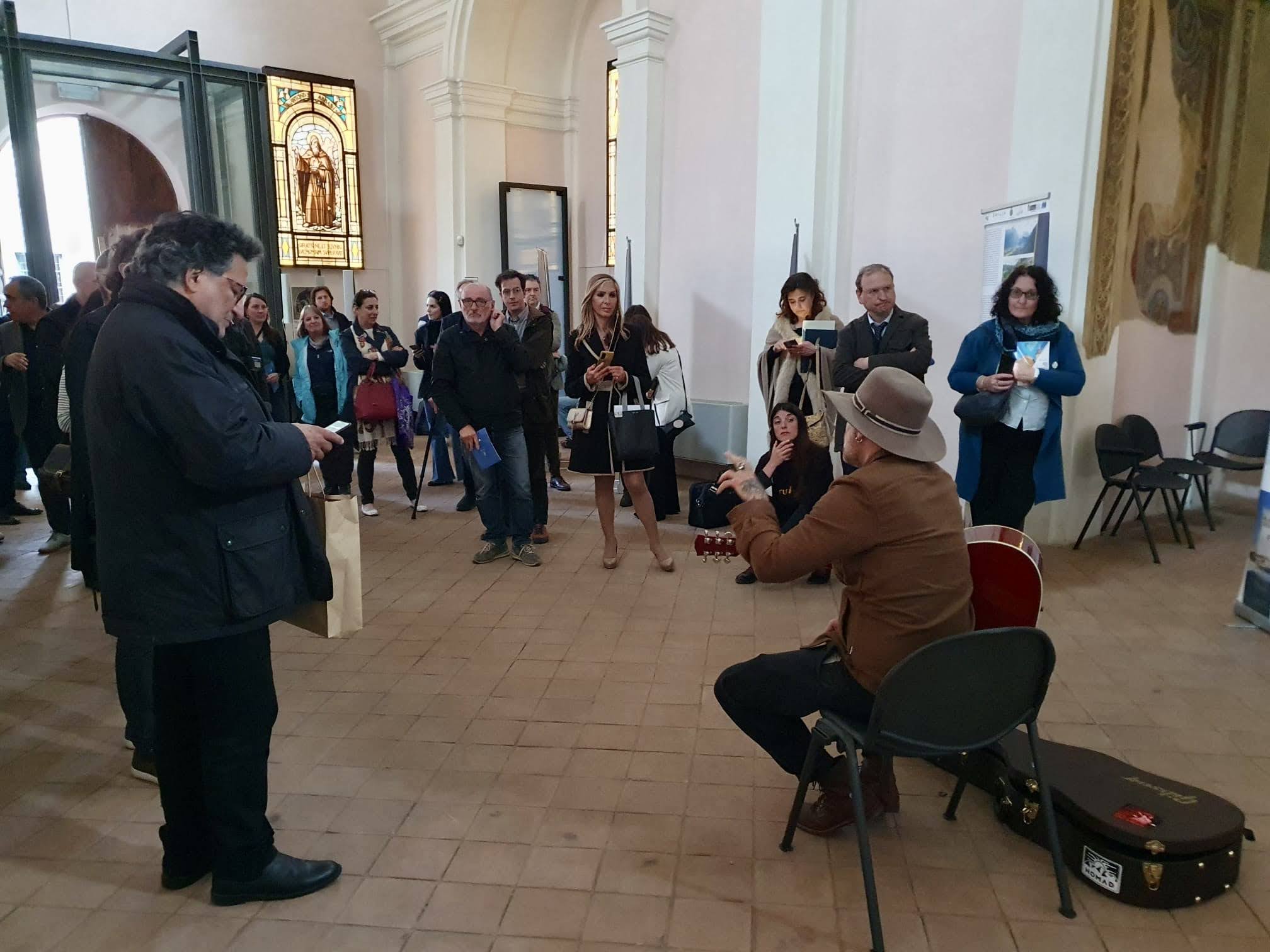
The European Federation of Saint James Way was featured at the “Routes of Europe” (“Cammini in Europa”) exhibition, highlighting shared cultural heritage of historical pilgrimage paths in Europe. The exhibition was organised by the rurAllure Horizon 2020 project, funded by the European Union and aimed at promotion of rural heritage in the vicinity of European pilgrimage routes, in particular the Way of Saint James.

A common thread between past and future of pilgrimage paths

The event took place on 18-21 May 2023 and presented photographs and stories captured by contemporary pilgrims as they travelled along the Ways of Saint James, the Via Francigena, Saint Olav and many other European routes. The opening was attended by more than 50 visitors, including authors of the photographs, local walking and cycling enthusiasts, and made part of celebration of a common thread between past and future of pilgrimage paths, their shared culture, spirituality, heritage and gastronomic traditions.

The photo exhibition was hosted in the Italian town of Fidenza, located in the heart of the Via Francigena pilgrimage route. The Via Francigena was certified as a Cultural Route of the Council of Europe in 1994. Spanning several centuries, the historical itinerary begins in Canterbury, England, passes through France and Switzerland, and concludes in Rome—an important destination for Christian pilgrims, alongside Jerusalem and Santiago de Compostela.


April 25, 2026 /  Members
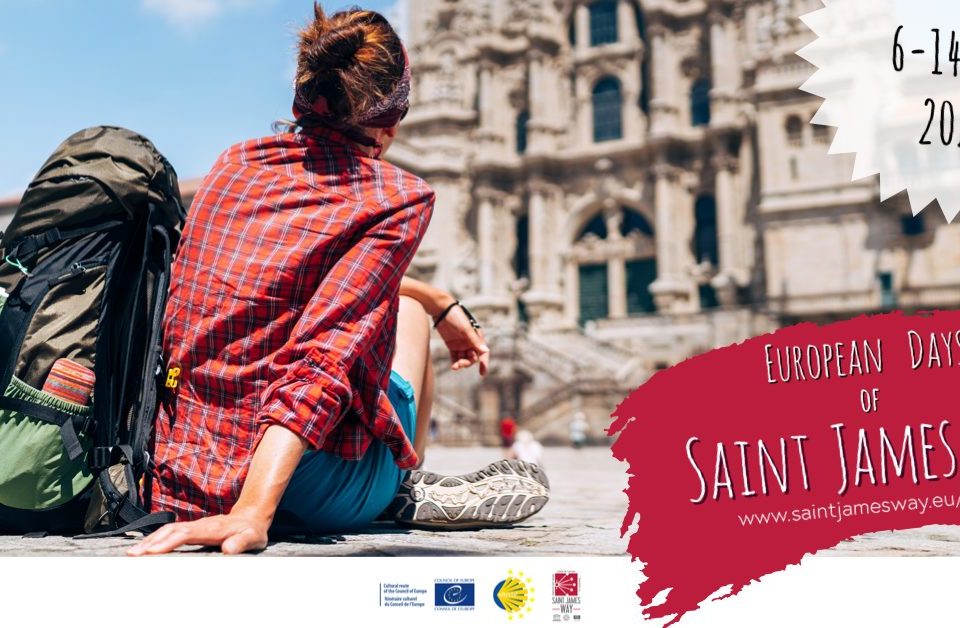
The European Federation celebrates the European Days of Saint James Way with more than fifty events throughout Europe.


The celebrations will take place from 6 to 14 May 2023: more than fifty activities in seven countries will highlight the inclusive nature of the cultural itinerary and encourage citizens to learn about the heritage and the European component of the Jacobean route, uniting different peoples of the continent.

More than half a hundred events in seven countries

In total, more than 50 actions are planned to promote the Way, including hiking events, conferences, guided visits, podcasts, music concerts, exhibitions, digital activities and interactive experiences. All the information about each activity and location is available online in our calendar of events.

The objectives of the European Federation

By creating a network of associated partners in all the countries crossed by the Way of Saint James, the European Federation aims to bring them together and raise awareness of the Way of Saint James, conceived by the Council of Europe as a common heritage and a historical model of coexistence and solidarity.

The European Federation of Saint James Way was created in 2011, as the sole reference for The European Institute of Cultural Routes and guarantee of the application of the Cultural Route of the Council of Europe label and its values. Since then, it has been working to disseminate the experiences of the Jacobean community and coordinate actions of the different actors in each participating country, developing high-impact joint projects aimed at promoting and expanding the European network, as in the case of the European Days.

Members

The members of the Federation include the Association of Municipalities of St. James Way (Lithuania), Region Of Kujawsko-Pomorskie (Poland), South Limburg Tourist Board (The Netherlands), Cultural Heritage Department Of The Province Of Namur (Belgium), Agglomeration Community Du Puy-En-Velay (France), Città Di Assisi – Ufficio Comunicazione & Marketing (Italy), Interactive Tourism Office Of Vila Pouca De Aguiar (Portugal), Council of Culture, Linguistic Policy and Tourism of Asturias (Spain), Galicia Tourism Agency (Spain), Foundation Camino Lebaniego (Spain) and Portuguese Federation of Saint James Way (Portugal).


April 25, 2026 /  Members  /  Portugal
The Portuguese Federation of the Saint James Way presents “The Way with Heritage”


The Jacobean heritage, tangible and intangible, will be the protagonist of the space that the Portuguese Federation of the Saint James Way (FPCS), will present to the public during the Lisbon Tourism Fair – BTL, between 1 and 5 March, at the International Fair of Lisbon.

For the first time, the Portuguese Federation of the Saint James Way, which brings together 50 Portuguese municipalities and associations through which the Ways of St. James pass, will be presented at BTL, highlighting the cultural experience that walkers can enjoy during the “camino” experience.

Ana Rita Dias, President of the FPCS and Deputy Mayor of Vila Pouca de Aguiar states that “The mission of the Federation is to implement a national strategy for the improvement, dissemination and promotion of these pilgrimage routes. And the pilgrimage routes of Santiago should be recognised for their potential as “tourism products”, as they have a strong capacity to attract people with different motivations, from faith, contact with nature, culture, gastronomy, heritage. The challenge we are launching, and which we highlight, consists of walking the Way of St. James, getting to know the ancestral routes and the rich Jacobean heritage, tasting the Portuguese knowledge and flavours along the routes and living the experience of a lifetime”.

The Jacobean heritage highlighted in the BTL’2023.

Monumental cathedrals, simple chapels of Jacobean devotion, monasteries, legends and stories of pilgrims and breathtaking landscapes will be present in the space, either through their graphic representation in the stand itself and in the promotional materials, or through the animations that, throughout the days, will bring the place to life.

Each Member of the Federation (about fifty Portuguese municipalities along the Pilgrims’ Routes to Santiago, a dozen Pilgrims’ Associations and even a Parish) was invited to bring its most characteristic monument and the intangible traditions associated with the theme, highlighting the Way of St. James as an important Cultural Tourism Product of our country, where the authenticity of the Jacobean hospitality that characterizes us plays a key role.

Moments of live crafts, dramatizations of popular culture, tasting of the typical gastronomy of each route or specialized information for pilgrims, among others, will be part of a program of constant animation in the space of the Portuguese Federation during all the days of the fair.

The Lisbon Tourism Fair is the reference show for the National Tourism industry. The 2022 edition, still marked by the post-pandemic context, registered 45,569 visitors between professionals and the general public and counted with the participation of 1407 exhibitors (direct and indirect), in an exhibition area of 45,000m2 divided into four pavilions. The 2023 edition fully resumes the activities of animation and promotion of the territories, with an agenda full of experiences for those who visit the fair, transforming the fair into a fantastic “journey” to the main tourist attractions of the country and the world.

Visit the Portuguese Federation of the Way of St. James in Hall 2, stand 2A11 (in the upper north part, next to the access to Hall 1).


April 25, 2026 /  Members
The European Federation participates in the workshop for the revival of the pilgrimage route “Darb Zubaydah” between Baghdad and Mecca


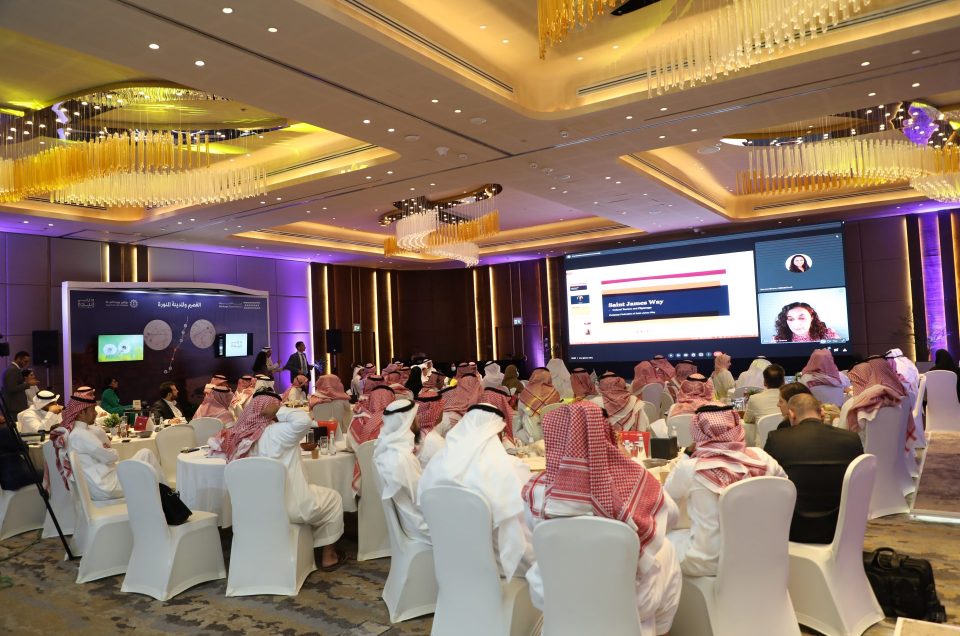
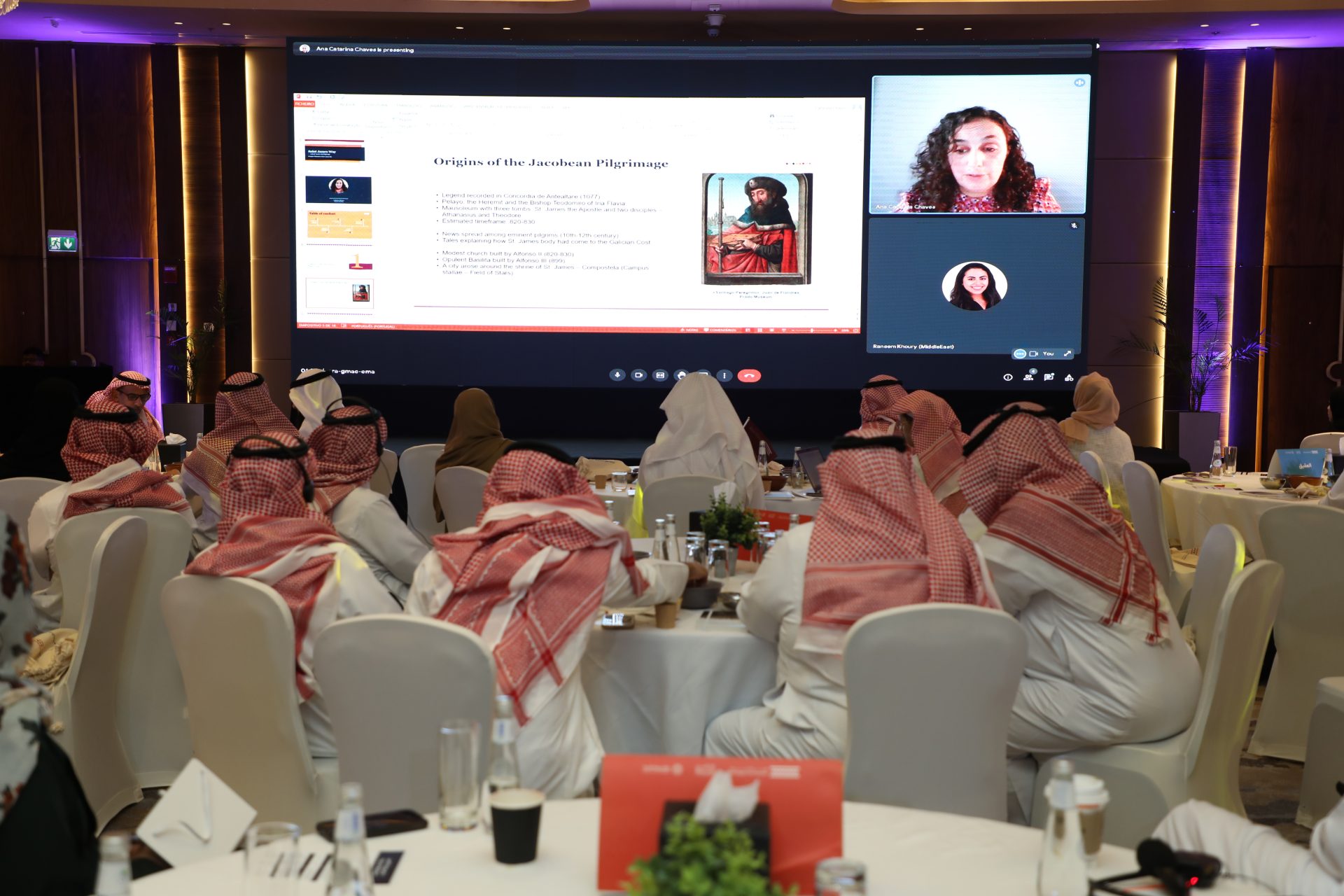
On 3rd December, the European Federation of St James’ Way participated in the workshop aimed at raising awareness among Middle Eastern leaders regarding the revival of the old pilgrimage route between Baghdad and Mecca: “Darb Zubaydah”.

Catarina Chaves, executive secretary of the federation, participated in the event and, as an inspiring example, used St James’ Way and the work undertaken by the European Federation to promote this European Cultural Route, the first recognised as such by the Council of Europe in 1987.

In her presentation, Catarina Chaves presented the origins of the Jacobean route and the symbols and values that inspire it. In addition, she highlighted the work of the federation in promoting the routes that pass through each member territory, plus the reality and evolution of the Jacobean phenomenon today.

The workshop also presented examples of good practice in other pilgrimage routes such as the Kumano Kodo in Japan.

Darb Zubaydah

Internationally, the old pilgrimage route between Baghdad and Mecca was an important religious, cultural and commercial hub that enjoyed its golden age during the eighth and ninth centuries. Important structures such as palaces, bridges or water wells were erected along its route, on a paved, marked layout to facilitate the passage of pilgrims.

The route is already included on the UNESCO World Heritage Tentative List, and new routes are expected to be added in the coming years.


April 25, 2026 /  Members  /  Poland
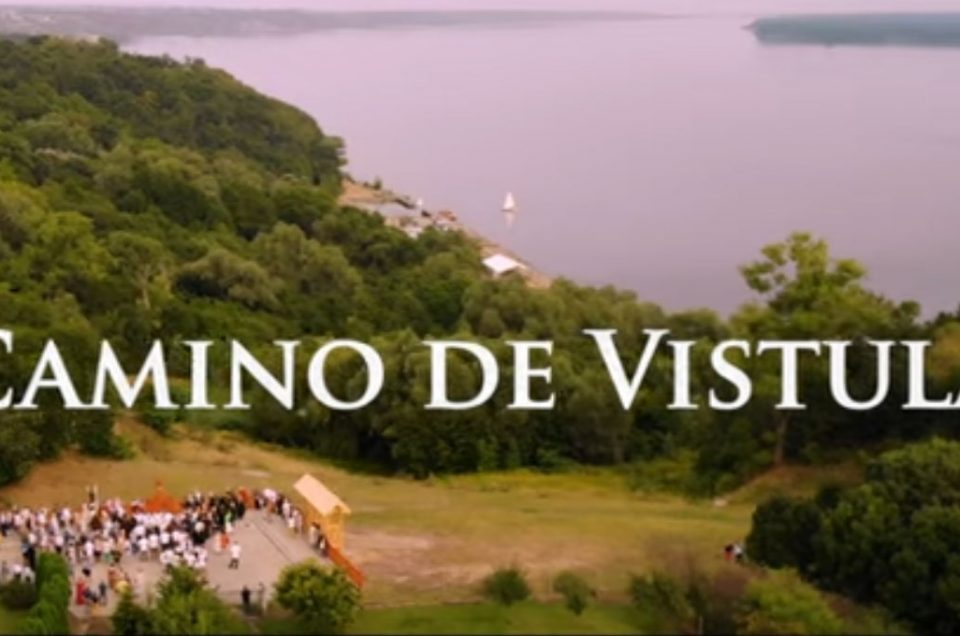
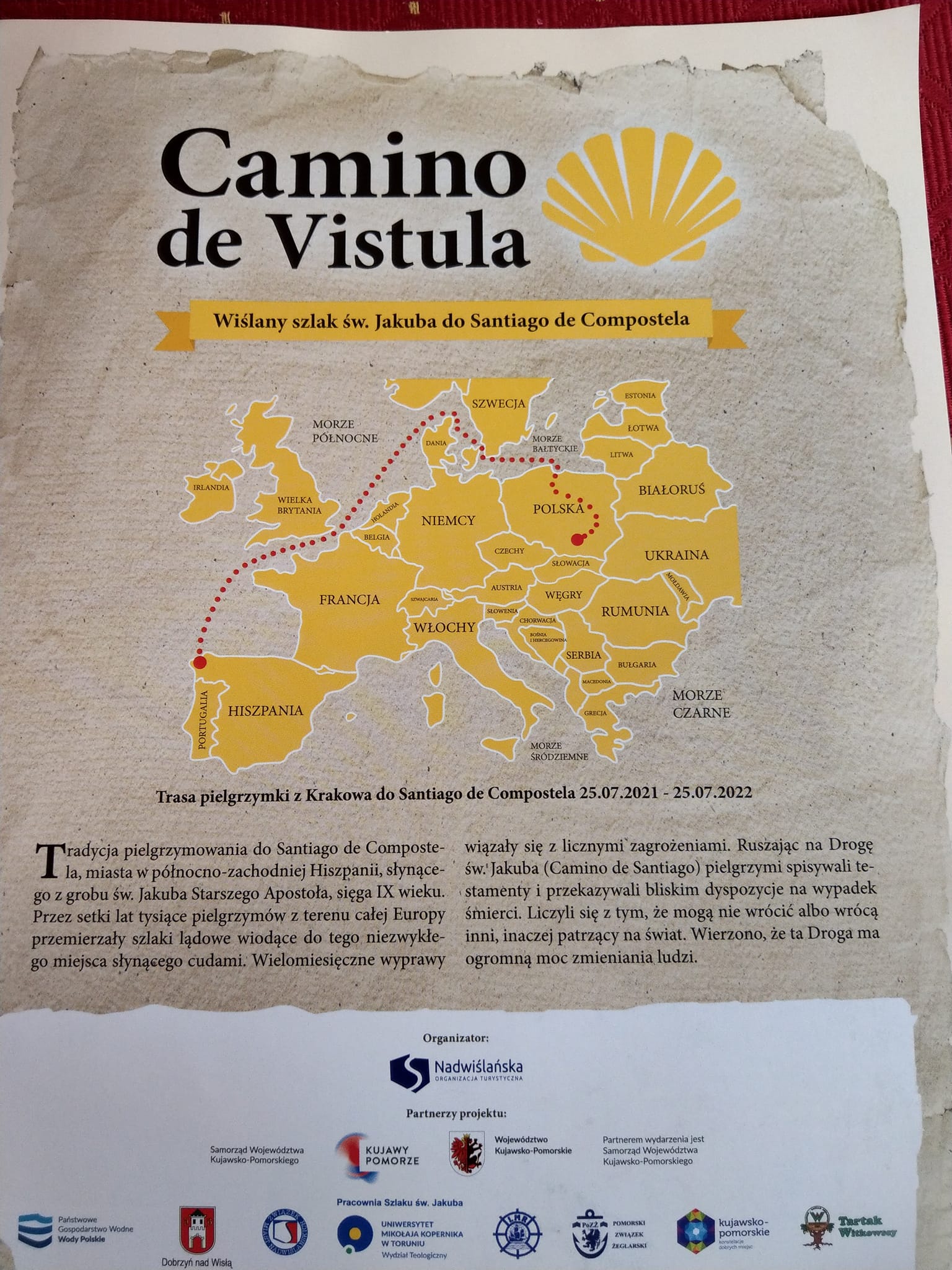
“Camino de Vístula” first documentary about the Vistula Way, premieres in Poland


“Vistula Way” is the documentary dedicated to the first aquatic pilgrimage created in Poland. An experiential film that narrates the first itinerary from Poland to Santiago de Compostela through the great Vistula river.

The film, directed by Teresa Kudyba, premiered in Poland with a colloquium in which the co-authors and experts on the Camino de Santiago participated. The panel discussion was introduced by Tomasz Bielicki, author of the first Way guide in the Kuyavian-Pomeranian Voivodeship.


+ Info


April 25, 2026 /  Members  /  Poland
Poland creates the first aquatic pilgrim’s way to Santiago, the Camino de Vistula


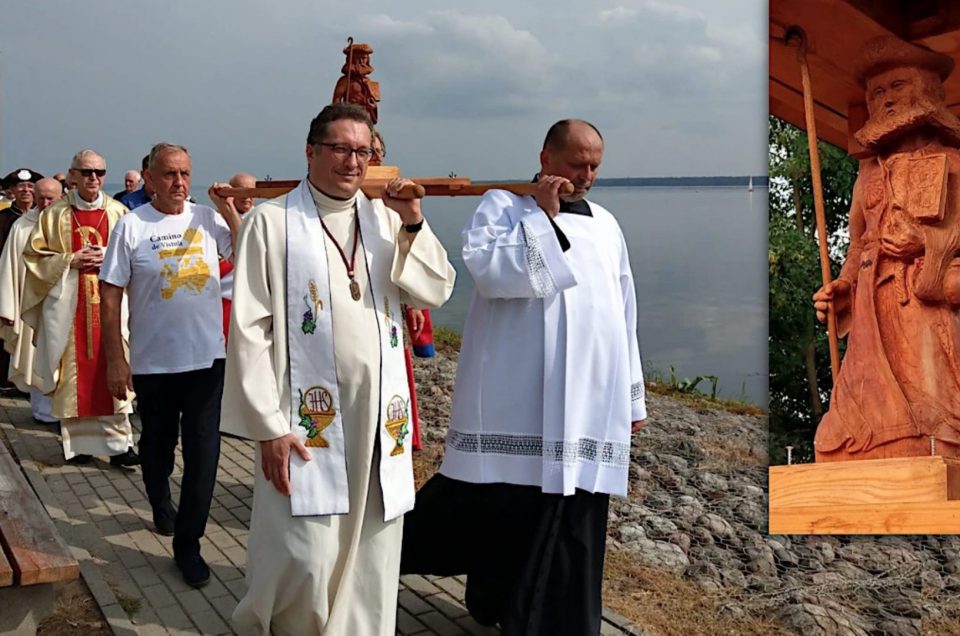
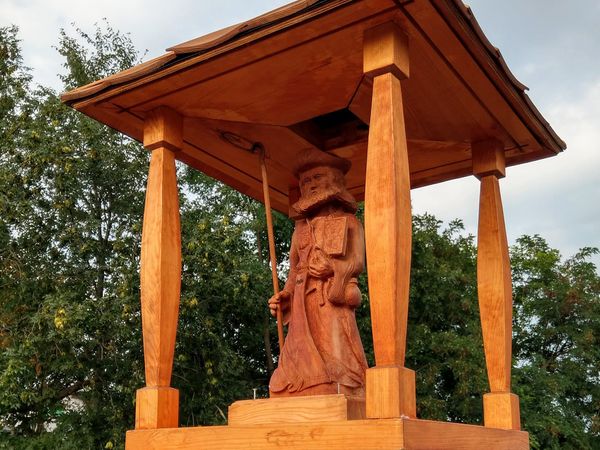
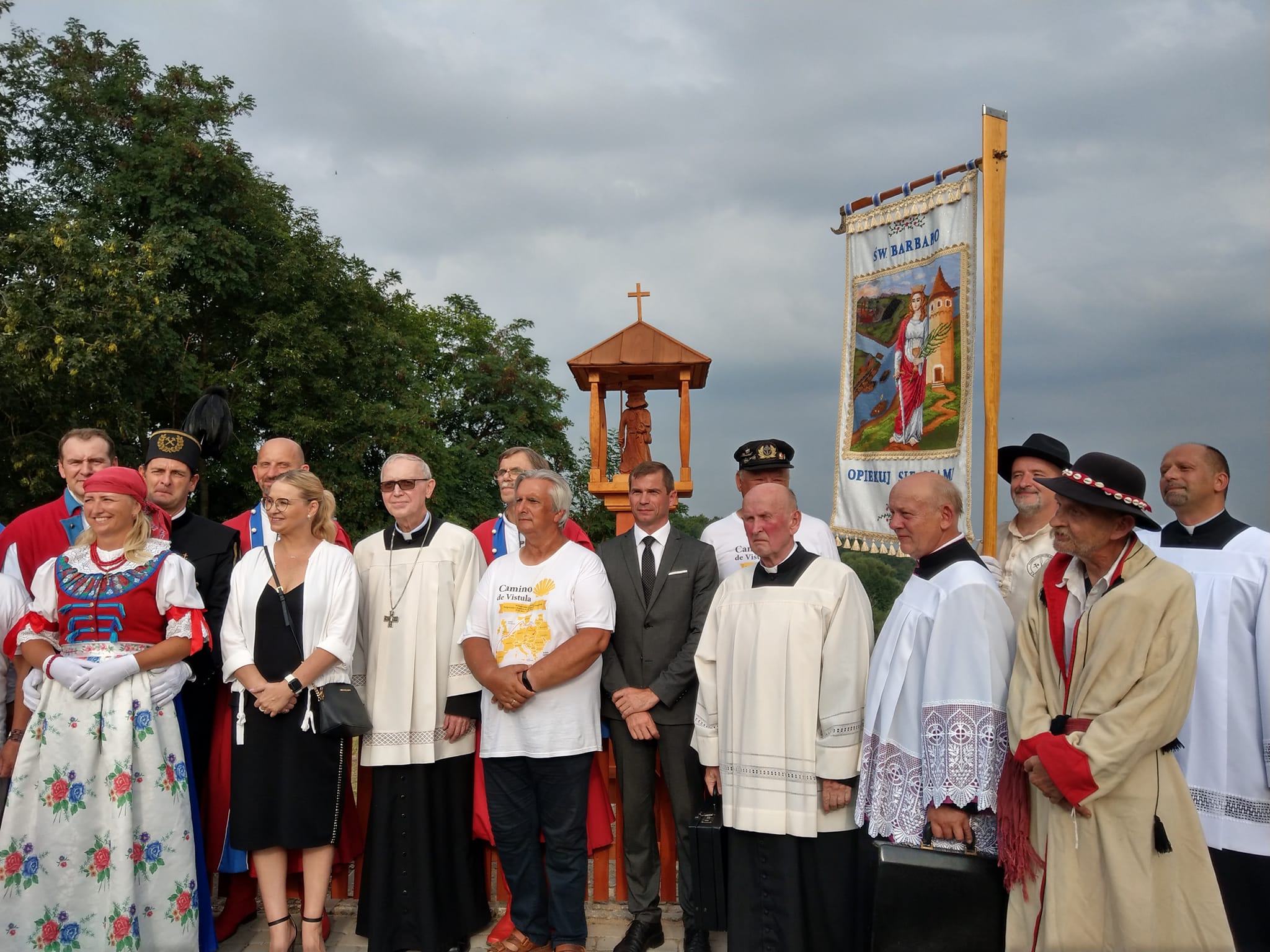
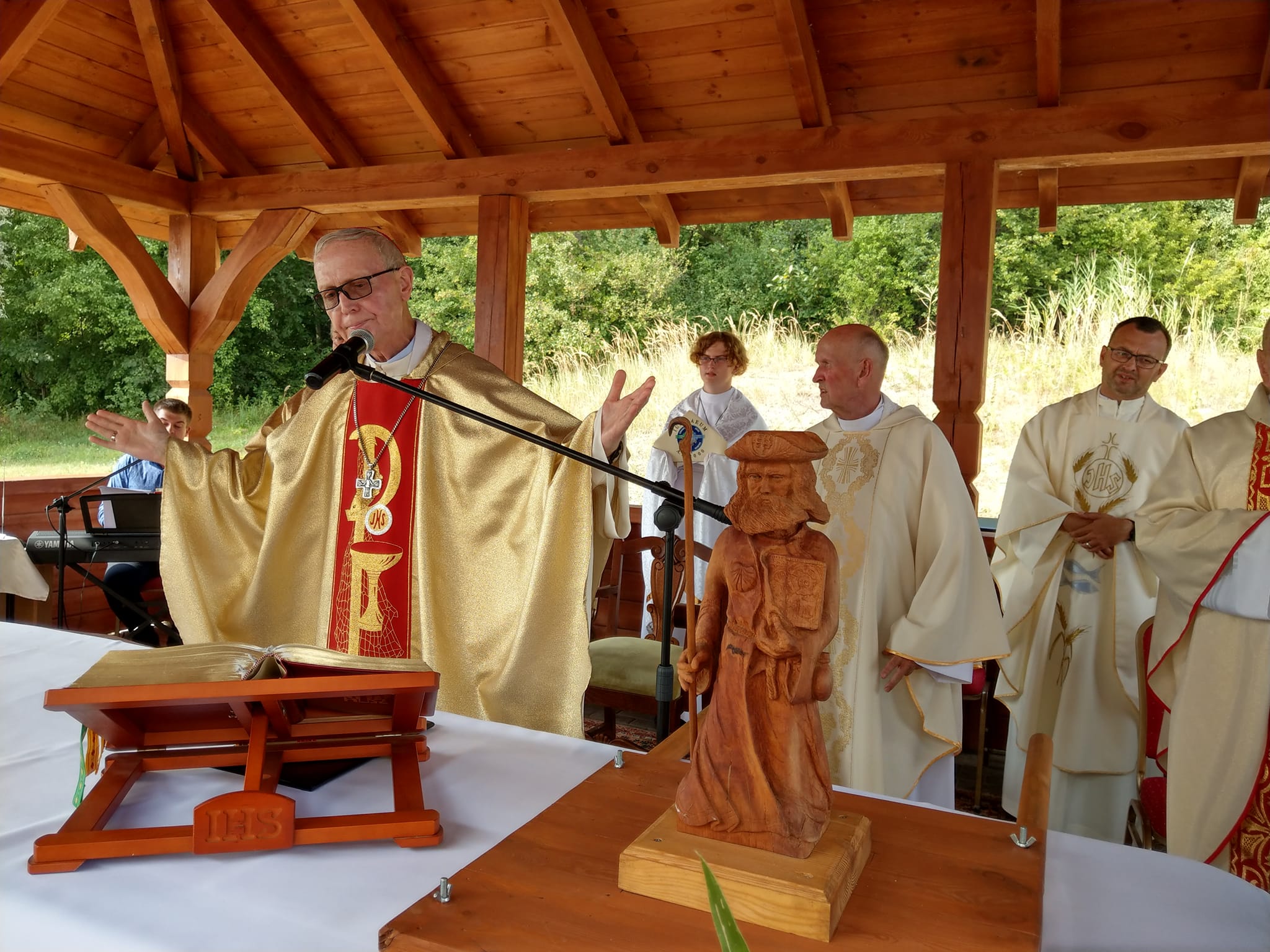
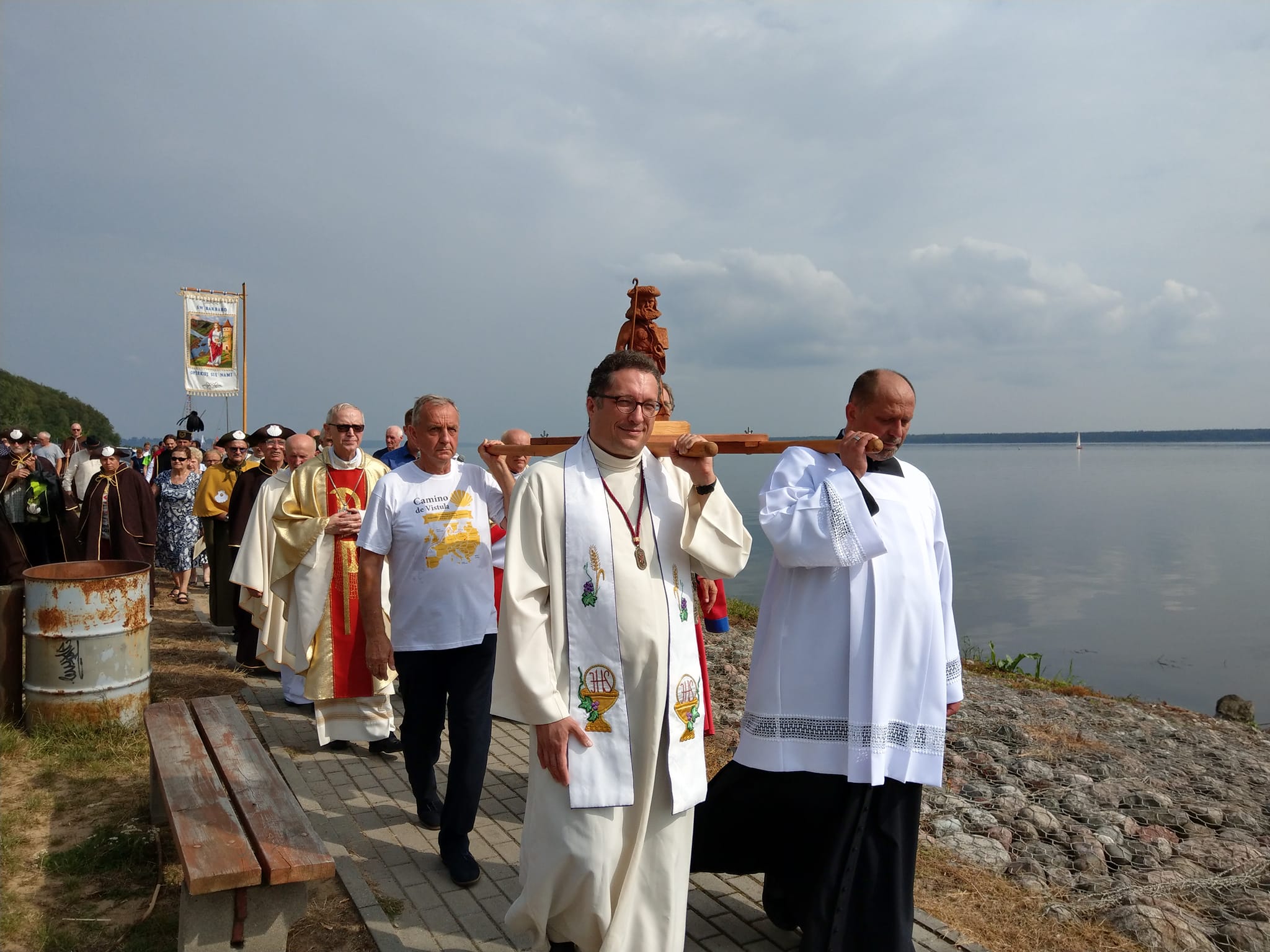
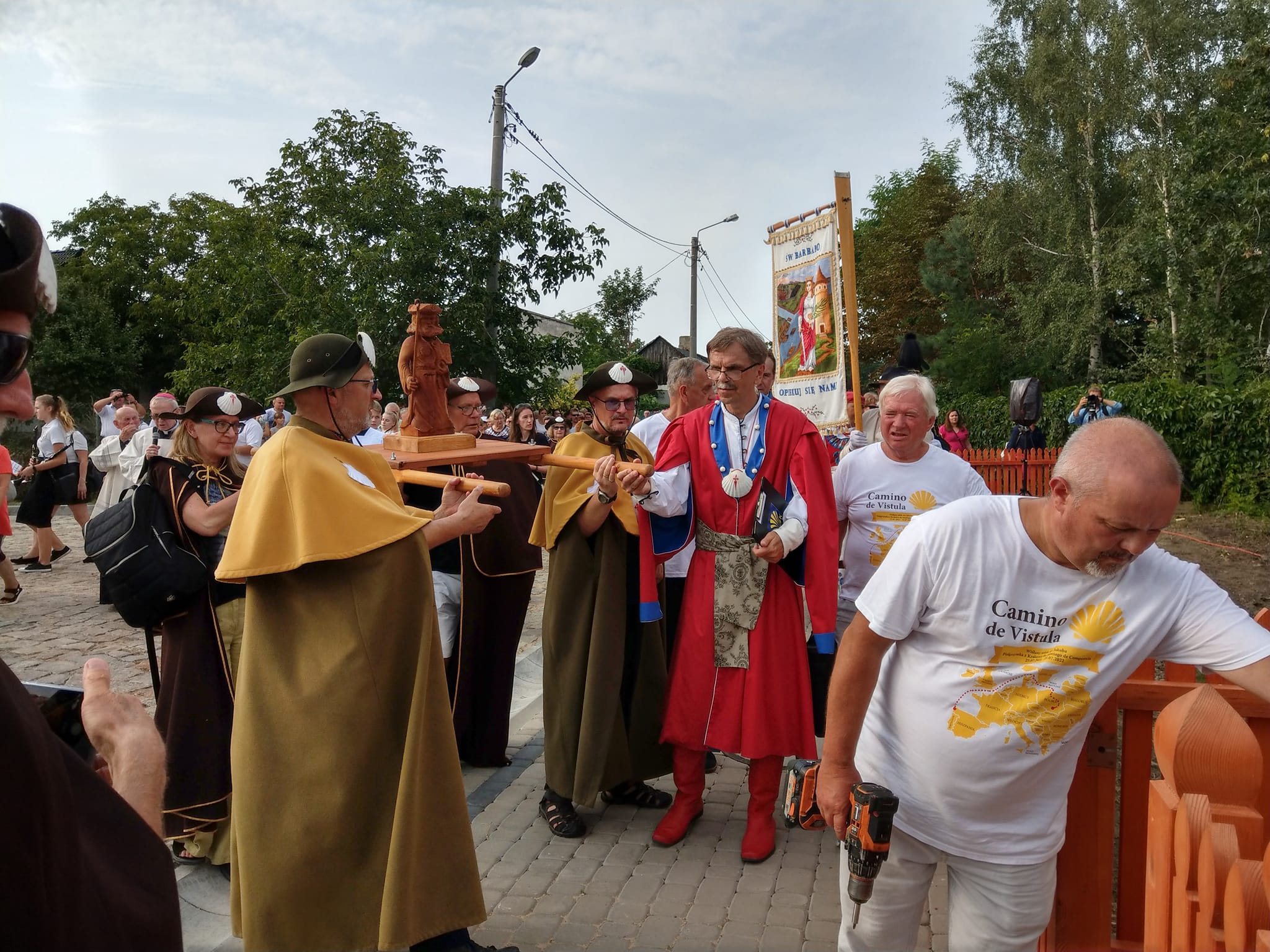
The Camino de Vistula, the first aquatic pilgrim’s way to Santiago de Compostela, was inaugurated on 20 August in Dobrzyń, on the Vistula River, where a new chapel houses the wood carving of the apostle, which was consecrated in Santiago de Compostela.

The Vistula River’s “blue trail” for pilgrims in Poland.

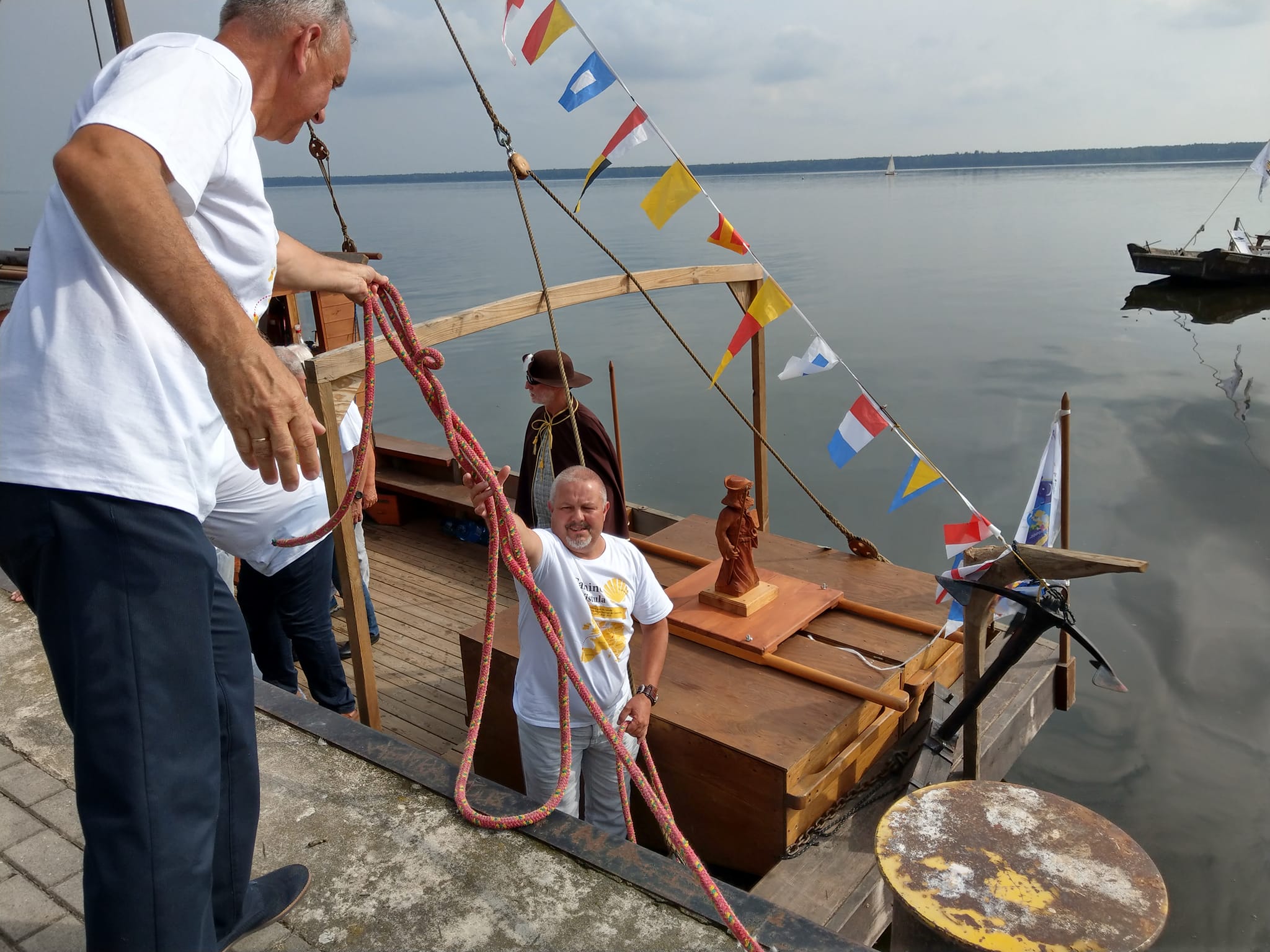
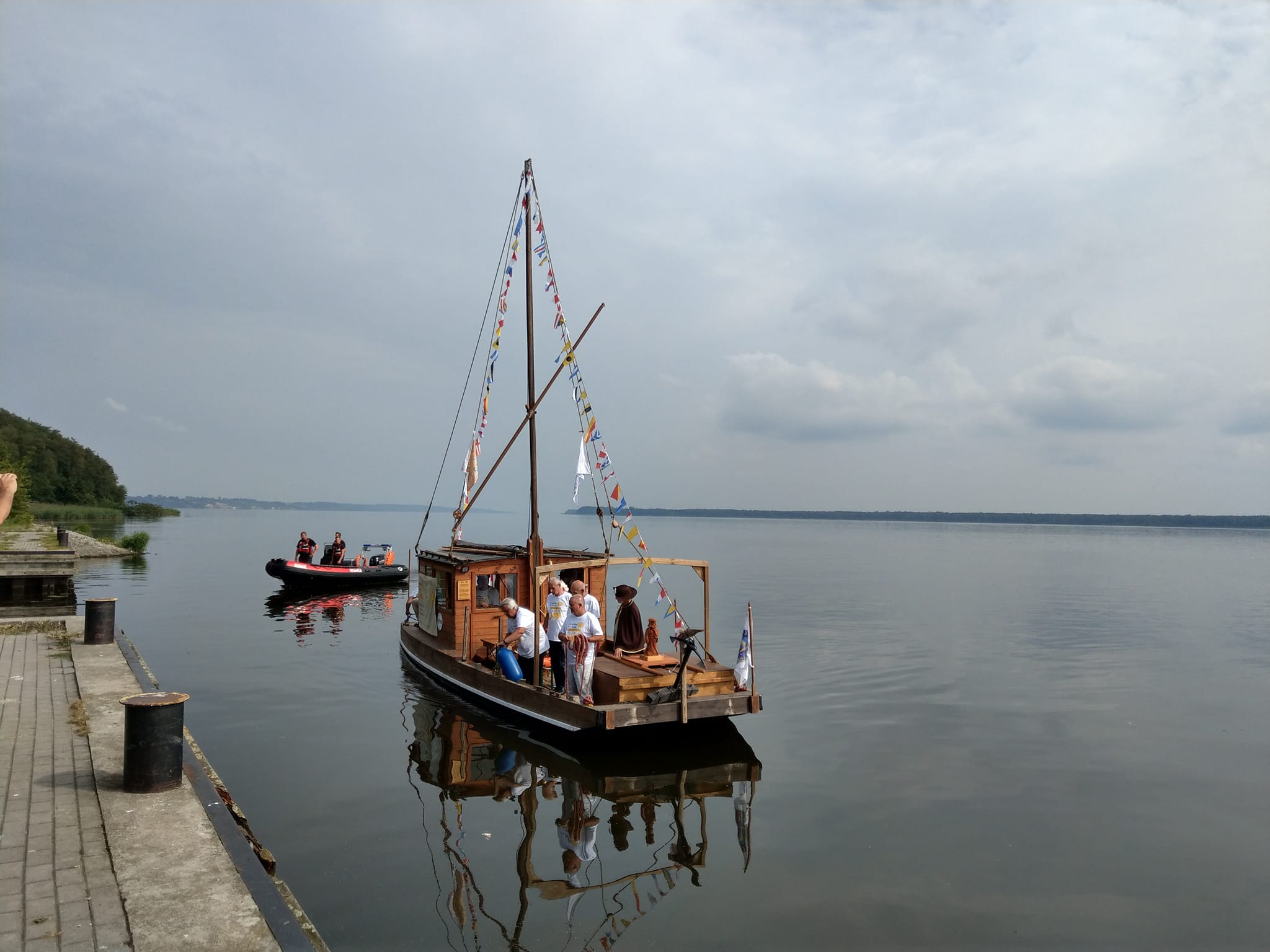
The celebration included the launching of the first official boat journey on the Camino de Vistula and the annual pilgrimage of the wood carving of Saint James. The carving travelled down the river from Krakow to the city of A Coruña, in Spain. Then, on land, it was taken to the cathedral of Santiago de Compostela, where it was consecrated. Finally, it ended its journey in Dobrzyń, on the Vistula River, which is already considered to be the Vistula River’s “blue trail” for pilgrims in Poland.


April 25, 2026 /  Members  /  Poland
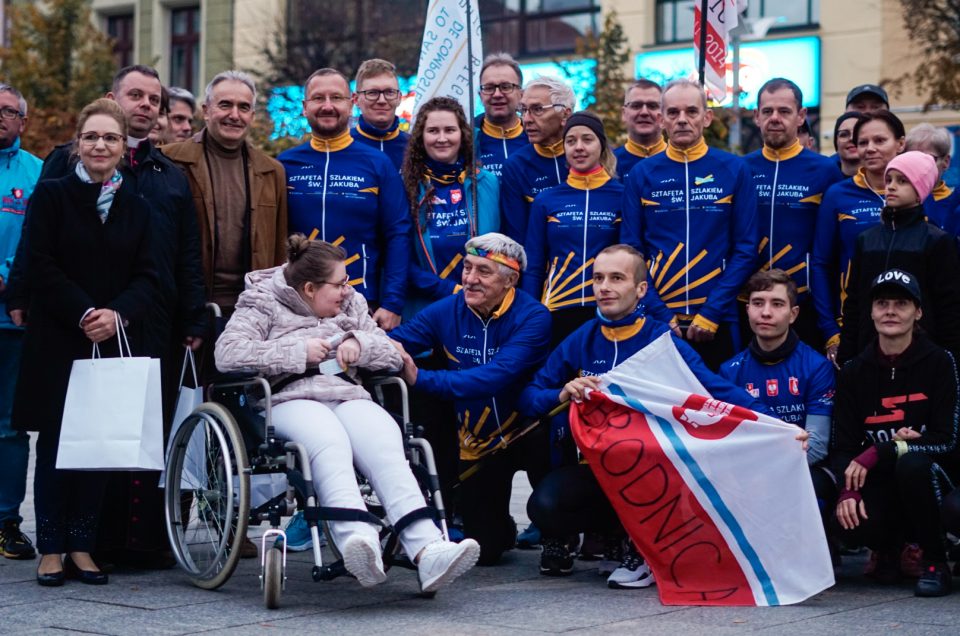
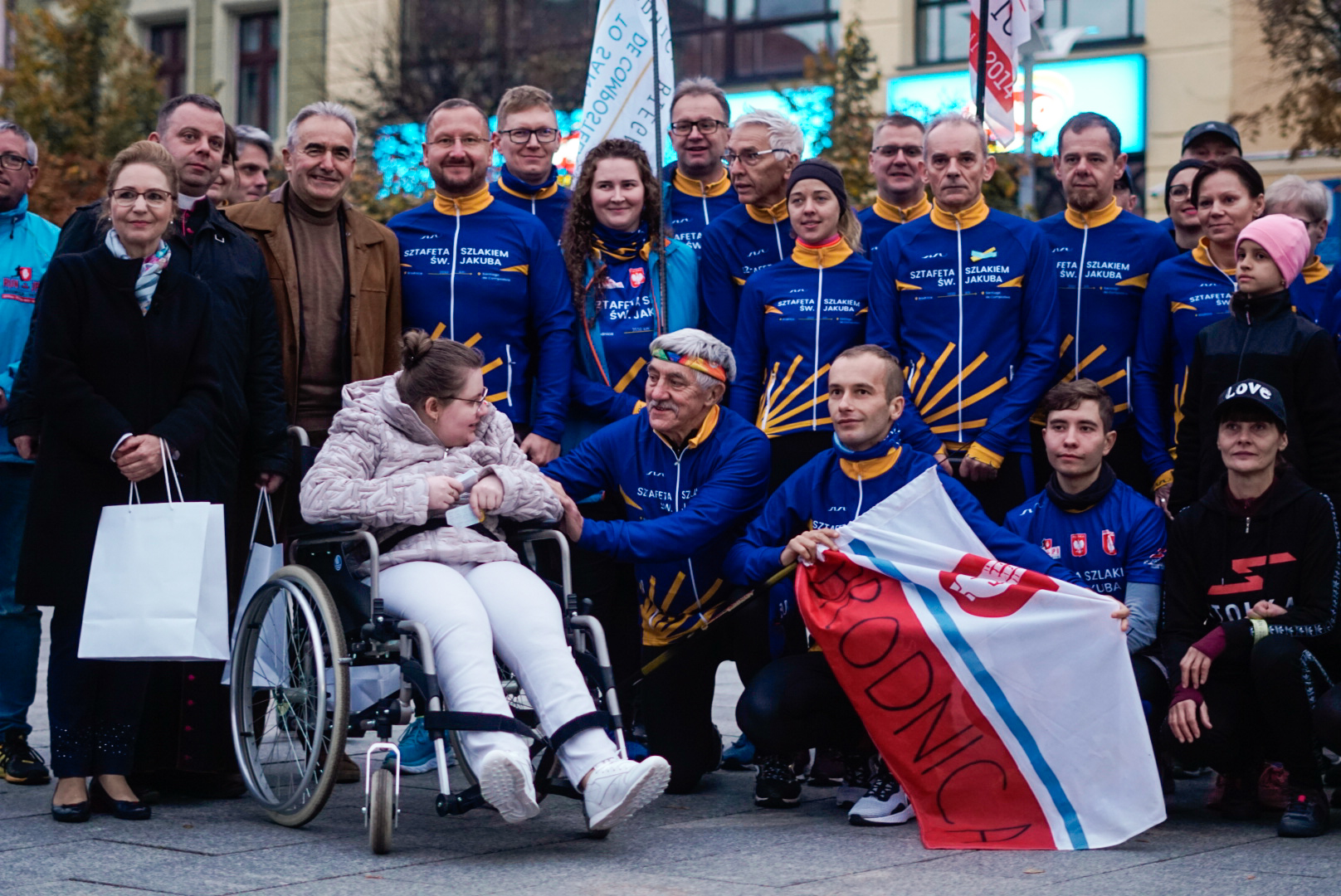
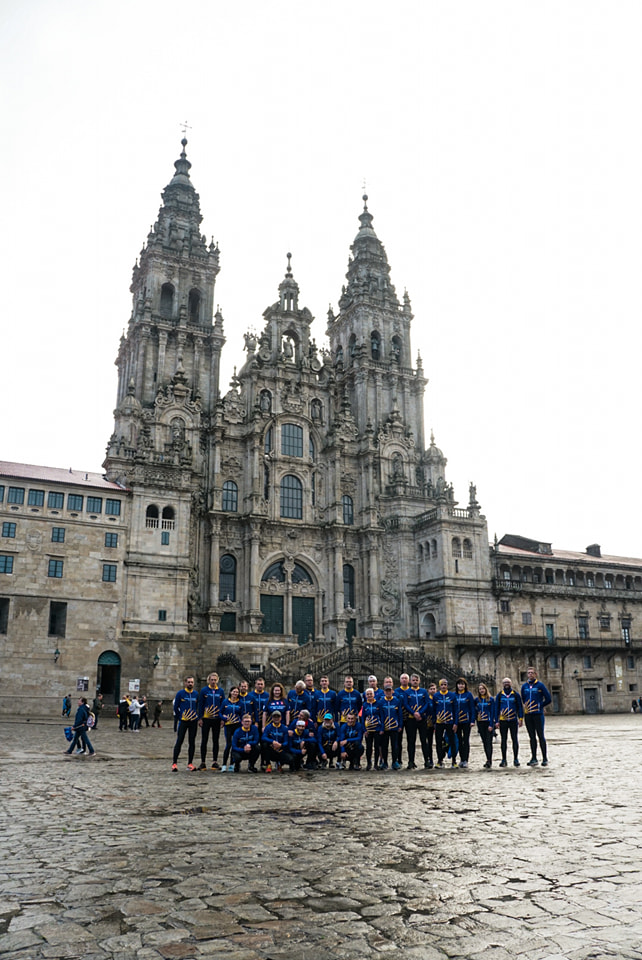
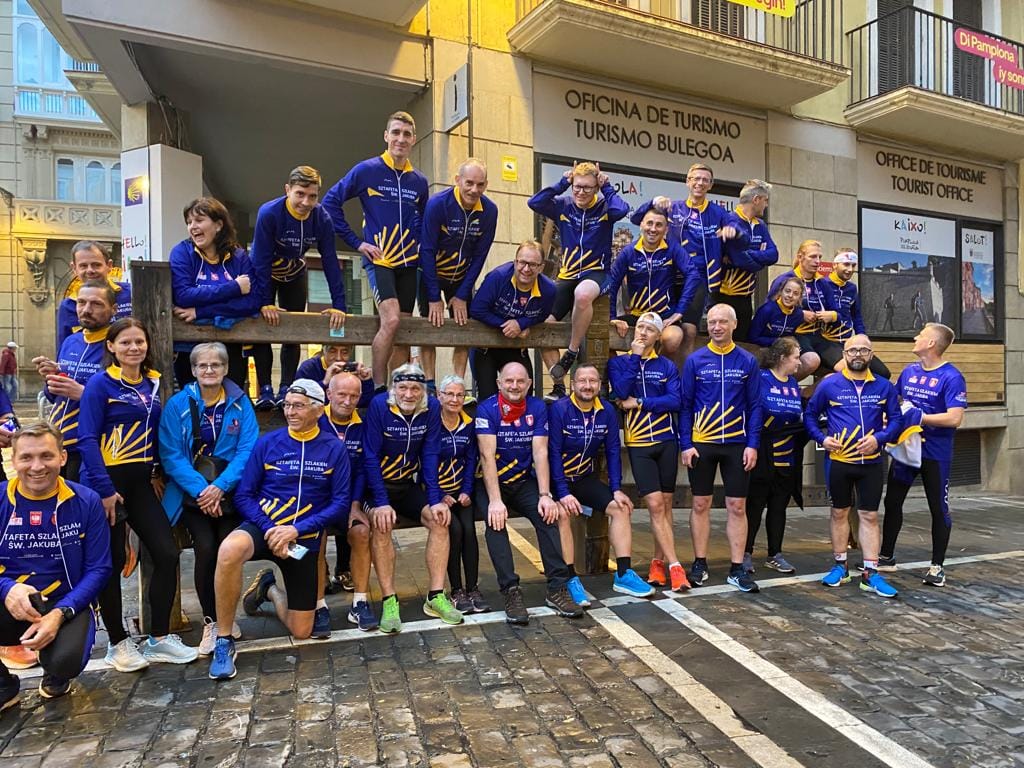
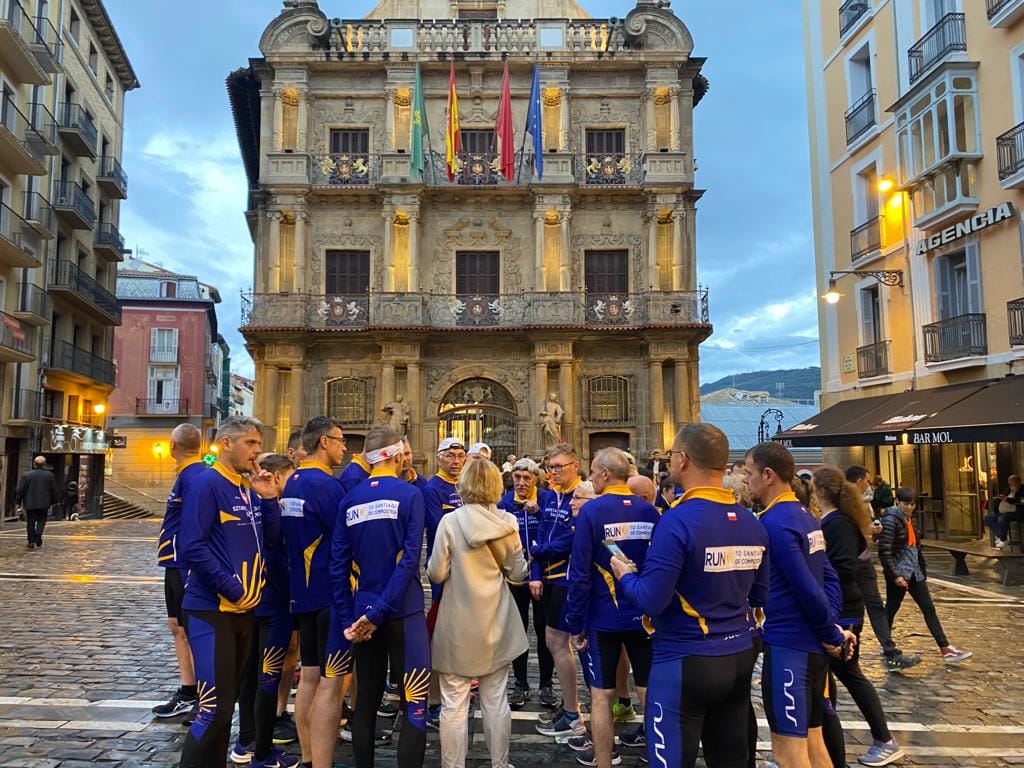
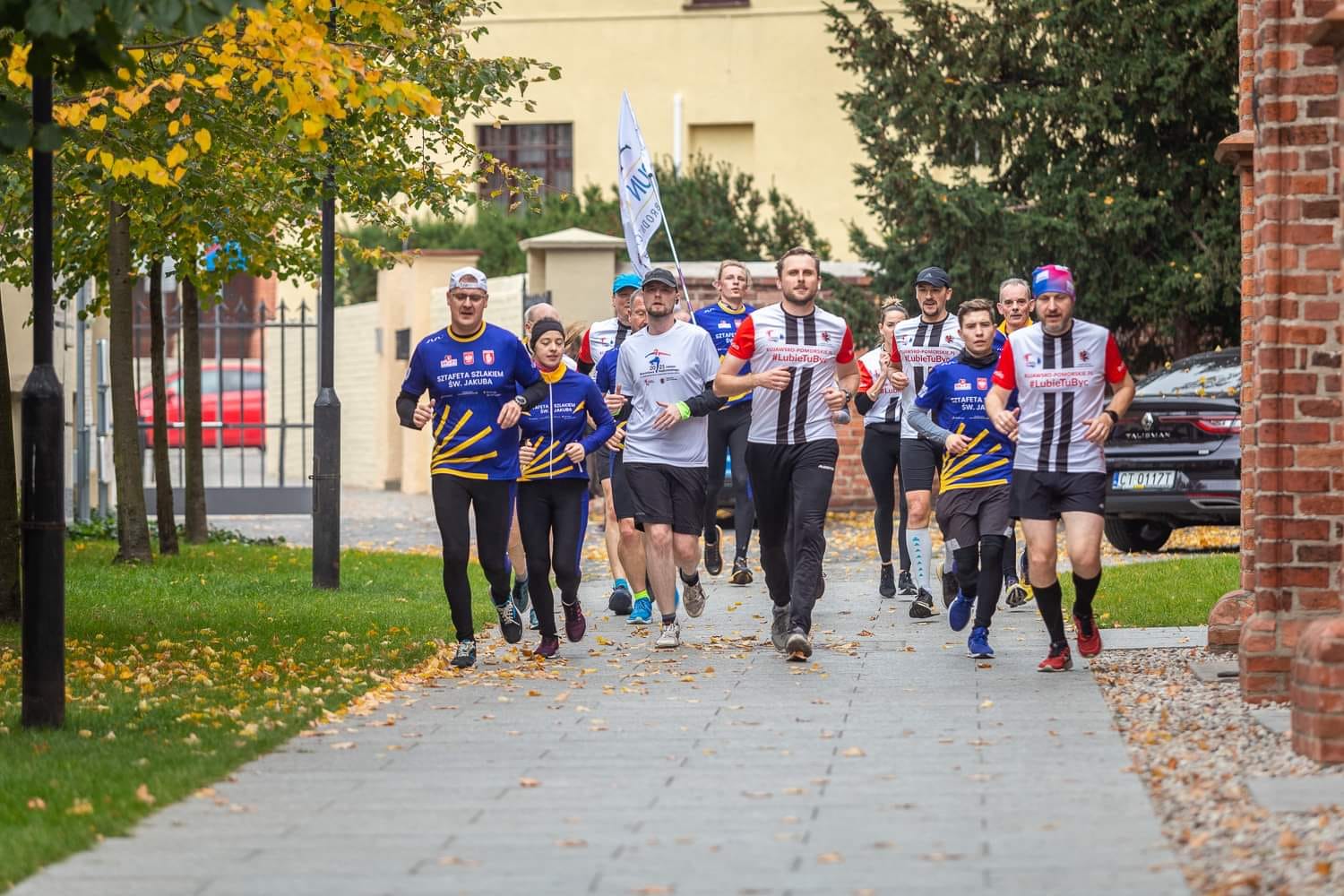
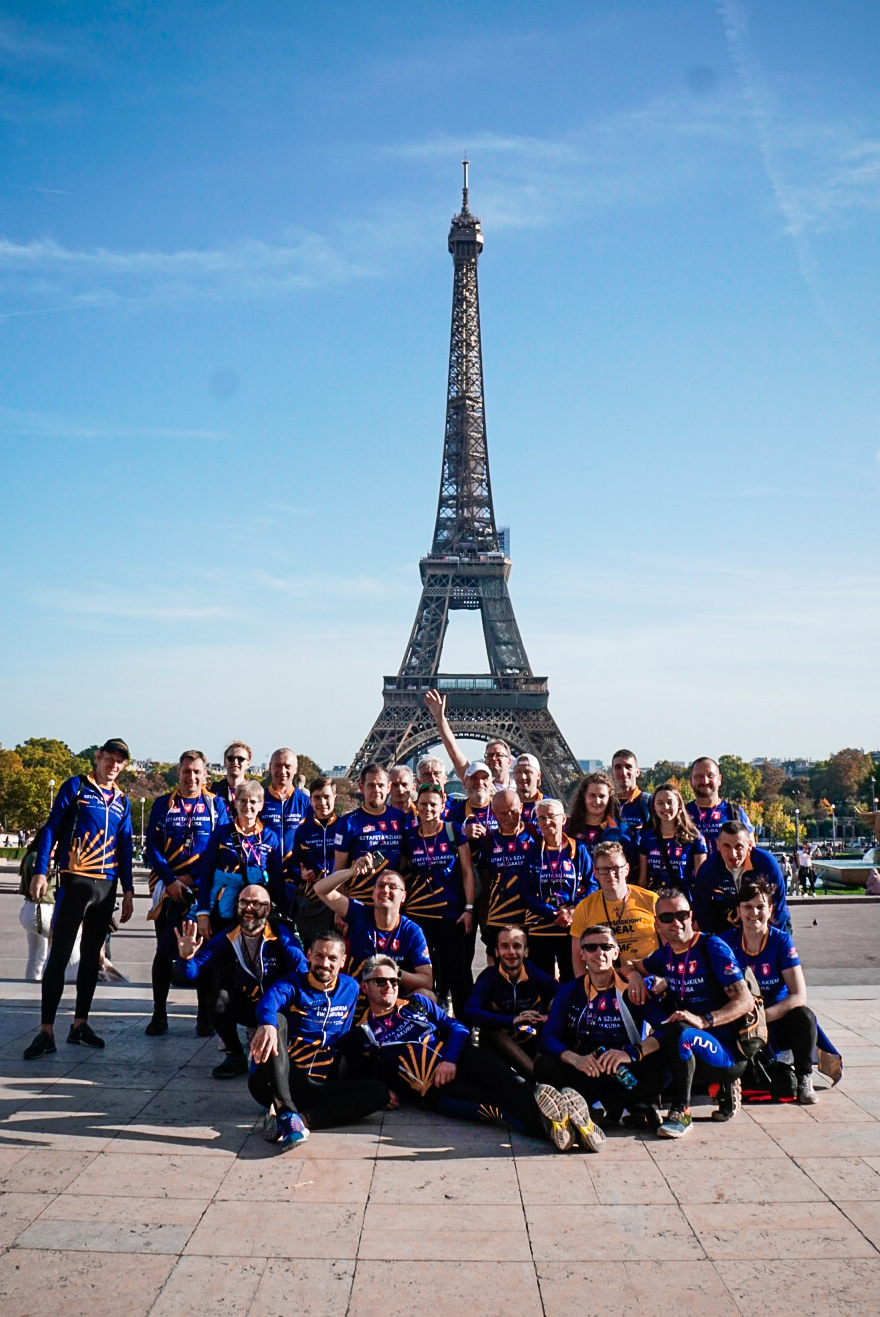
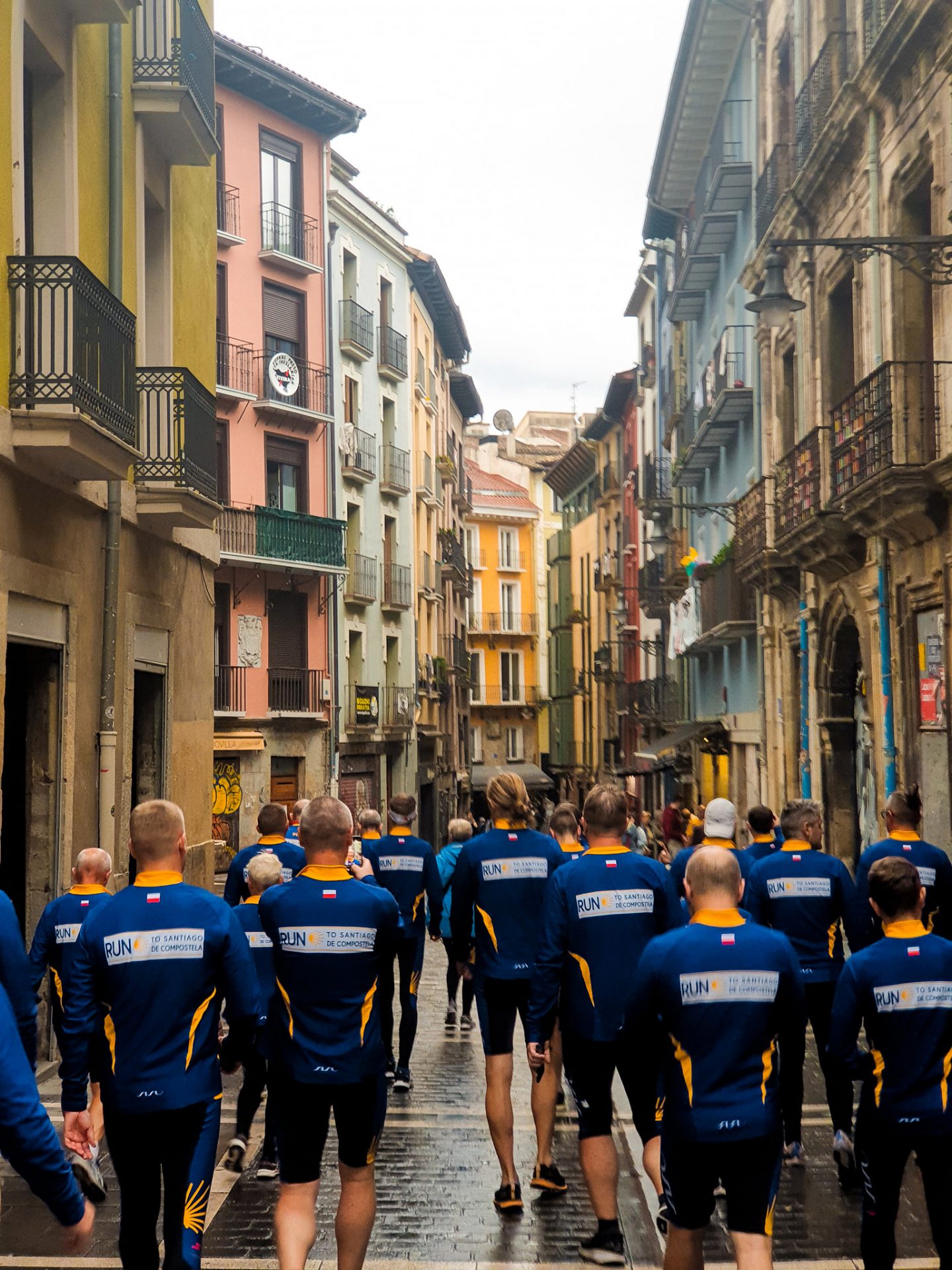
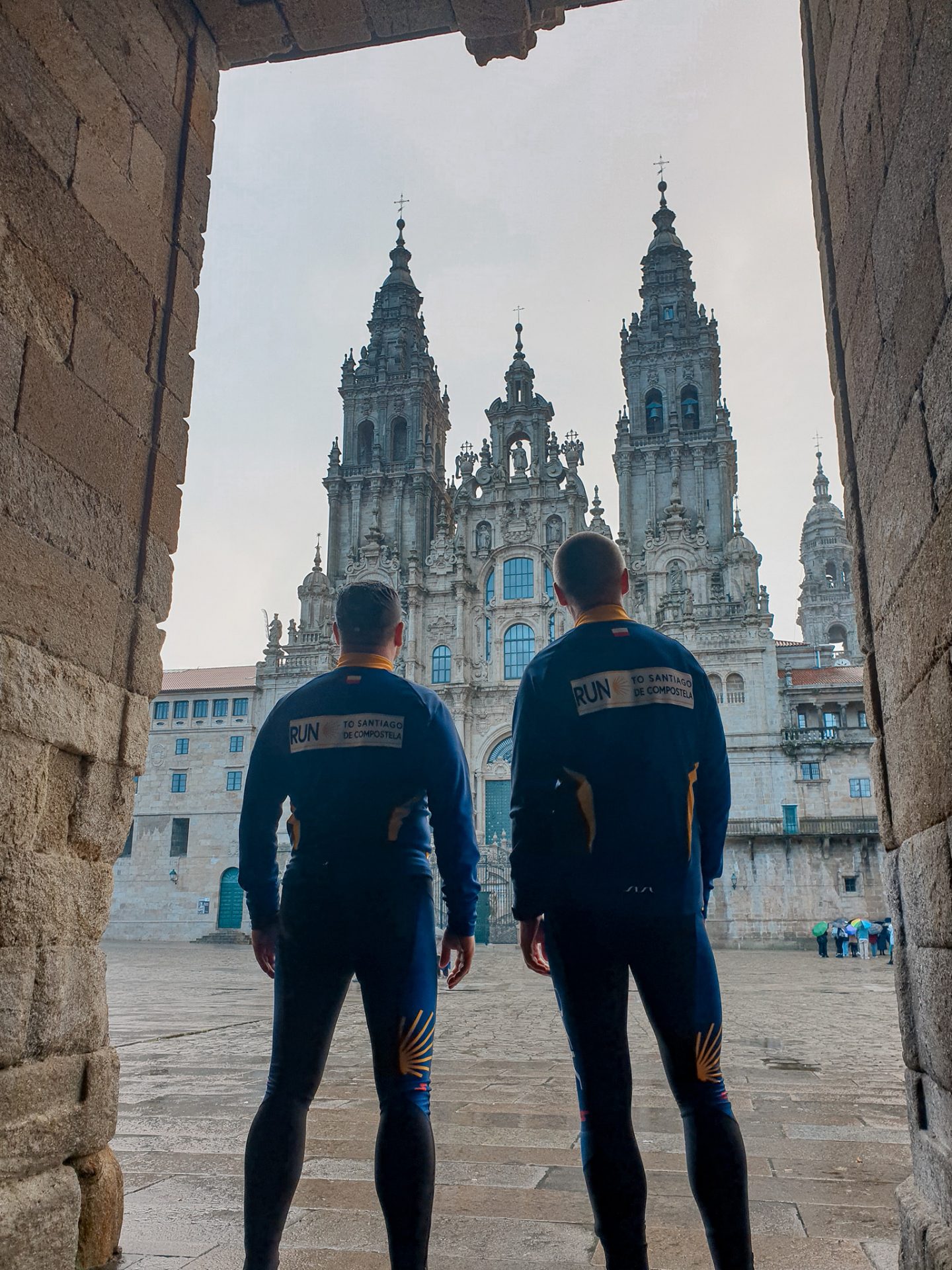
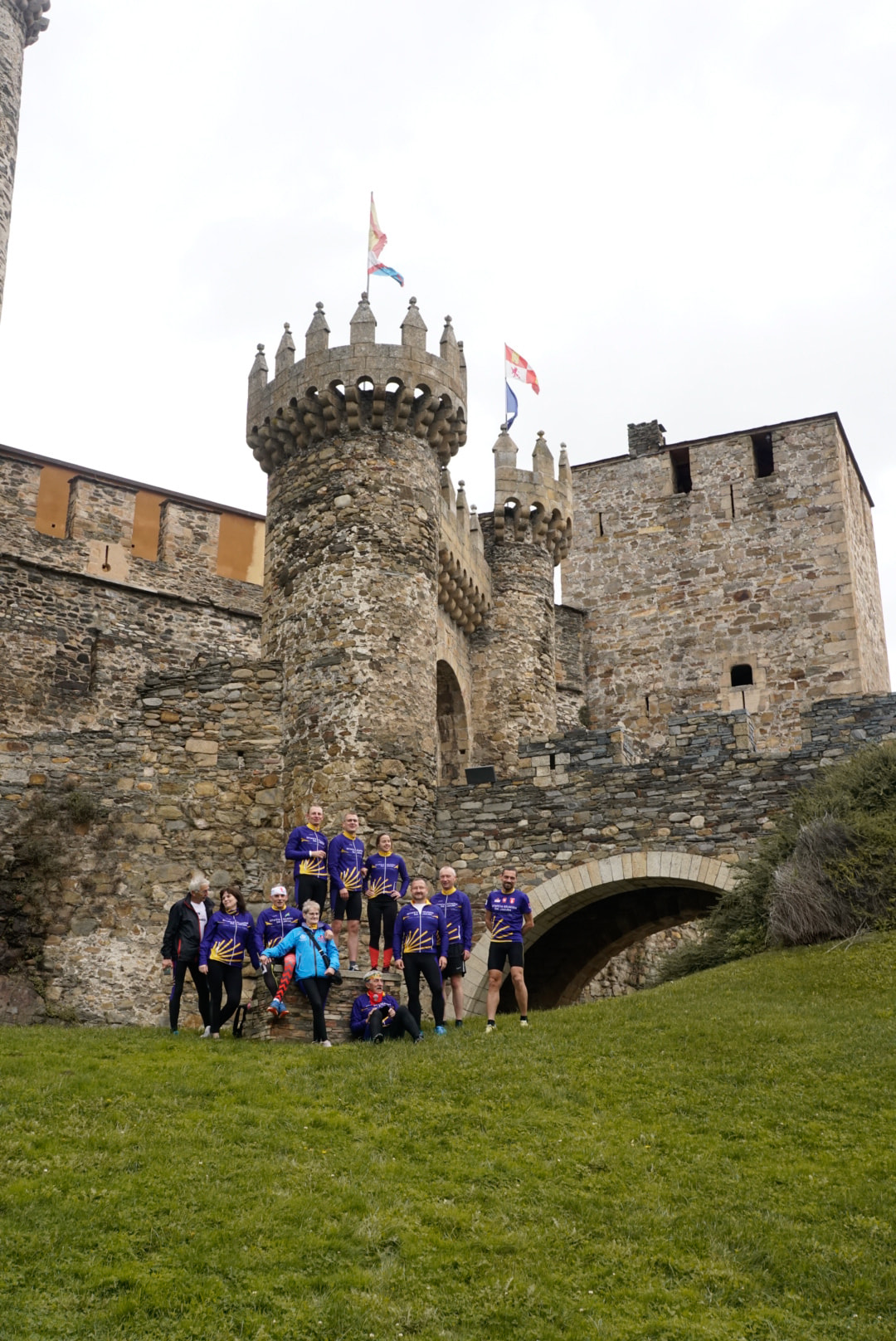
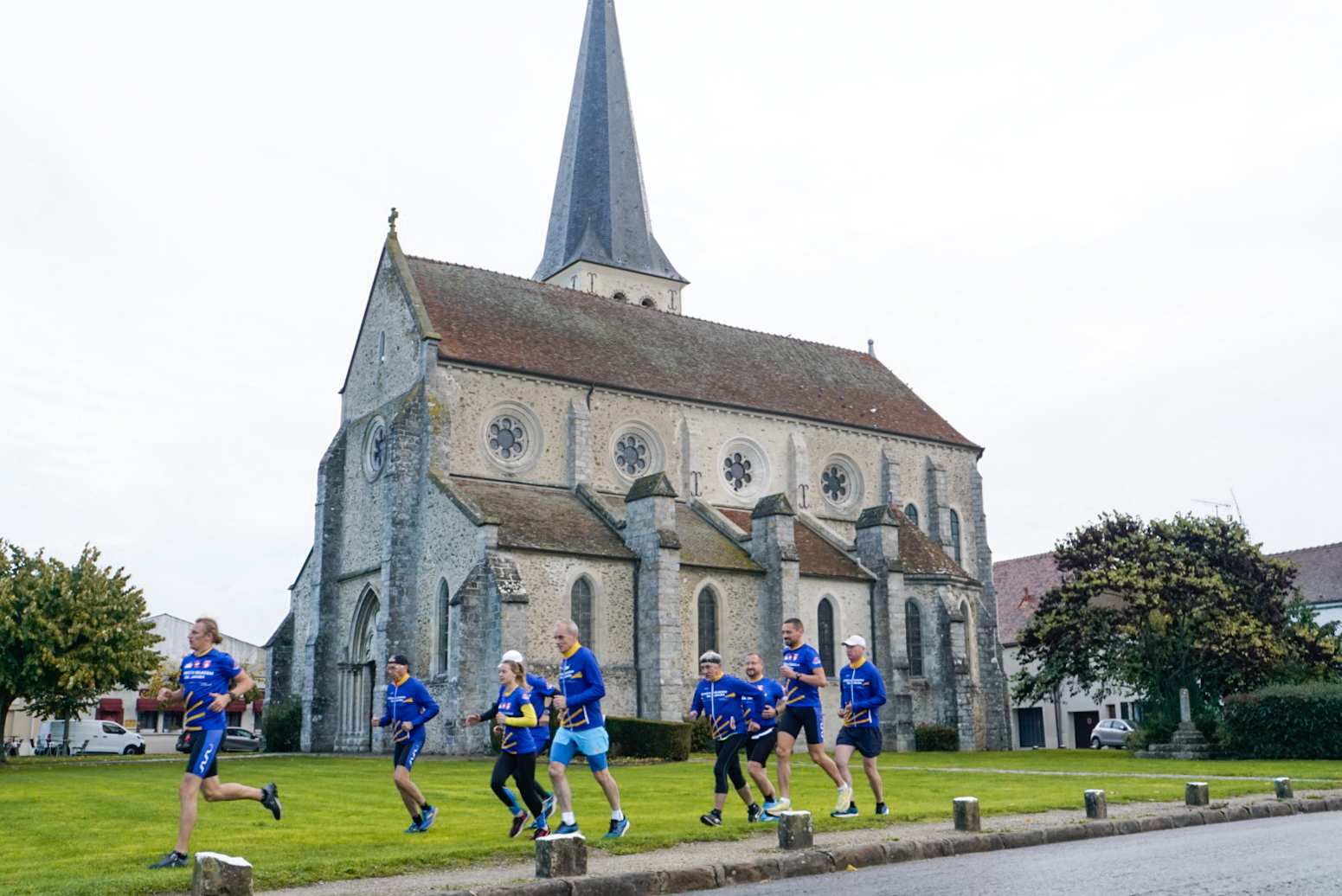
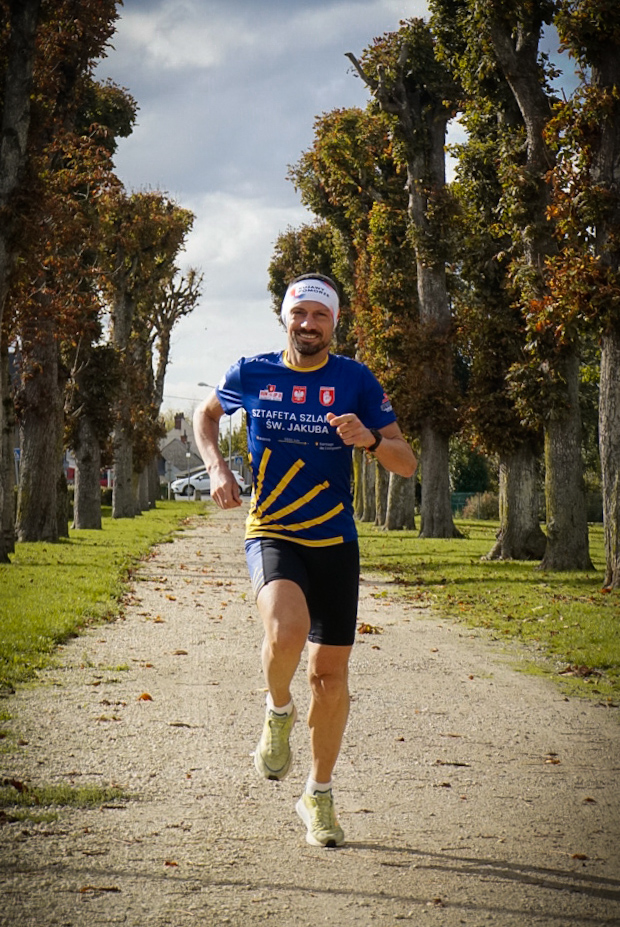
Run to Santiago – charity relay on Saint James Way from Brodnica (Kujawsko-Pomorskie, Poland)


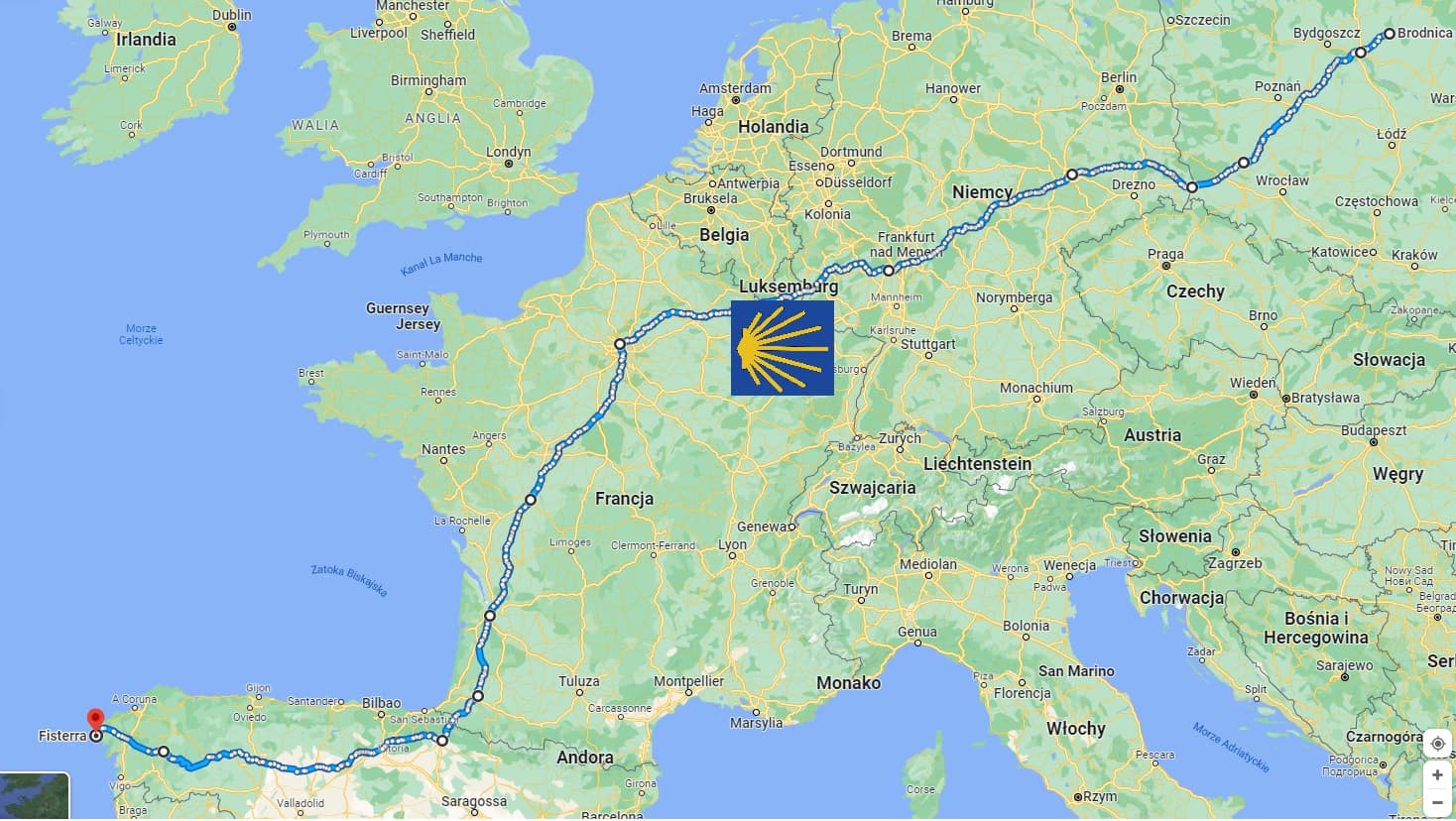
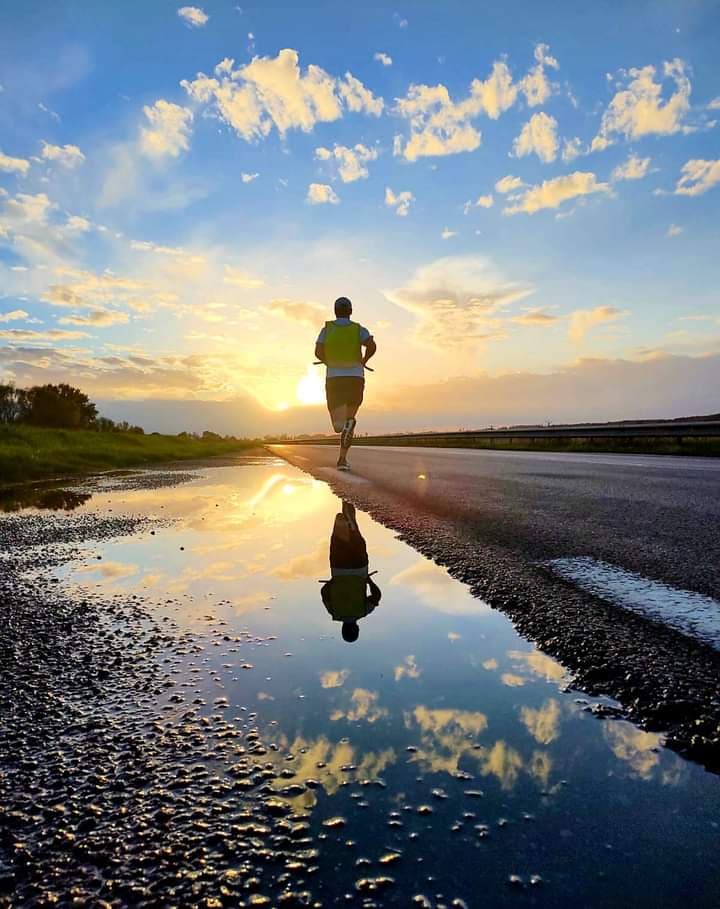
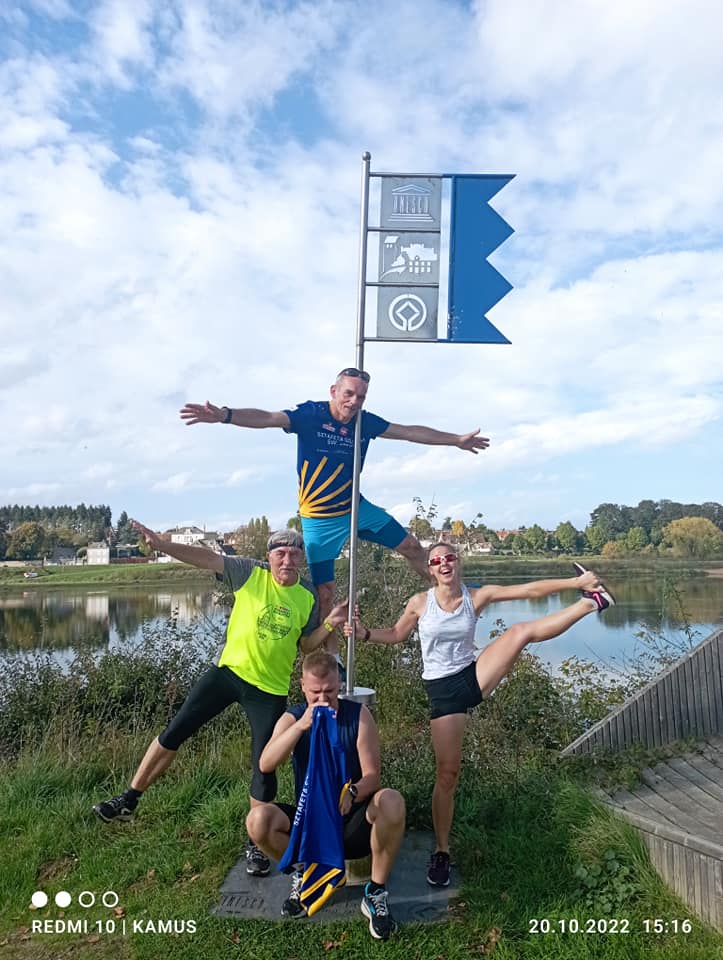
27 athletes had started early saturday (15th of october) their running pilgrimage to Santiago. What is the purpose? To help Magda Janke – disabled girl from Brodnica – small town on Camino Polaco Route in Kujawsko-Pomorskie Region. As well as to promote idea of Saint James Way in the end of the Holy Year of Saint James (Jakub in polish language). That extraordinary running relay has to go over 3500 kilometers within 10 days. Every runner is to run 15-20 km a day.

In the first day runners went through the Camino Polaco – the unit of Saint James Way in Kujawsko-Pomorskie Region – the member od European Federation of Saint James Ways. Piotr Całbecki – Marshal of the Region and former president of The Federation – have met and encourage the runners in Toruń, near St. James Sanctuary, wishing them „buen camino”. Finally the relay-participans reached Bolesławiec, near the polish-german border.

 3500 kilometers within 10 days.

In next days they’ve managed to run through Leipzig – Mainz (Germany) – Reims – Paris – Poitiers (France). On friday 21st the relay had ran to Pamplona the capital of Navarra Region, where once more meet with Piotr Całbecki – honorary patron of the event.

The Polish runners traveled through León to Santiago de Comostella, where they arrived on Sunday the 23rd.

We hope that the Run to Santiago Relay would be an alive example of activity for the participans of Iacobus Mundi, the meeting of Jacobean cities in the world.


123456
Page 3 of 6


@ European Federation of Saint James Way - Legal notice

We use cookies to ensure that we give you the best experience on our website. If you continue to use this site we will assume that you are happy with it.Ok